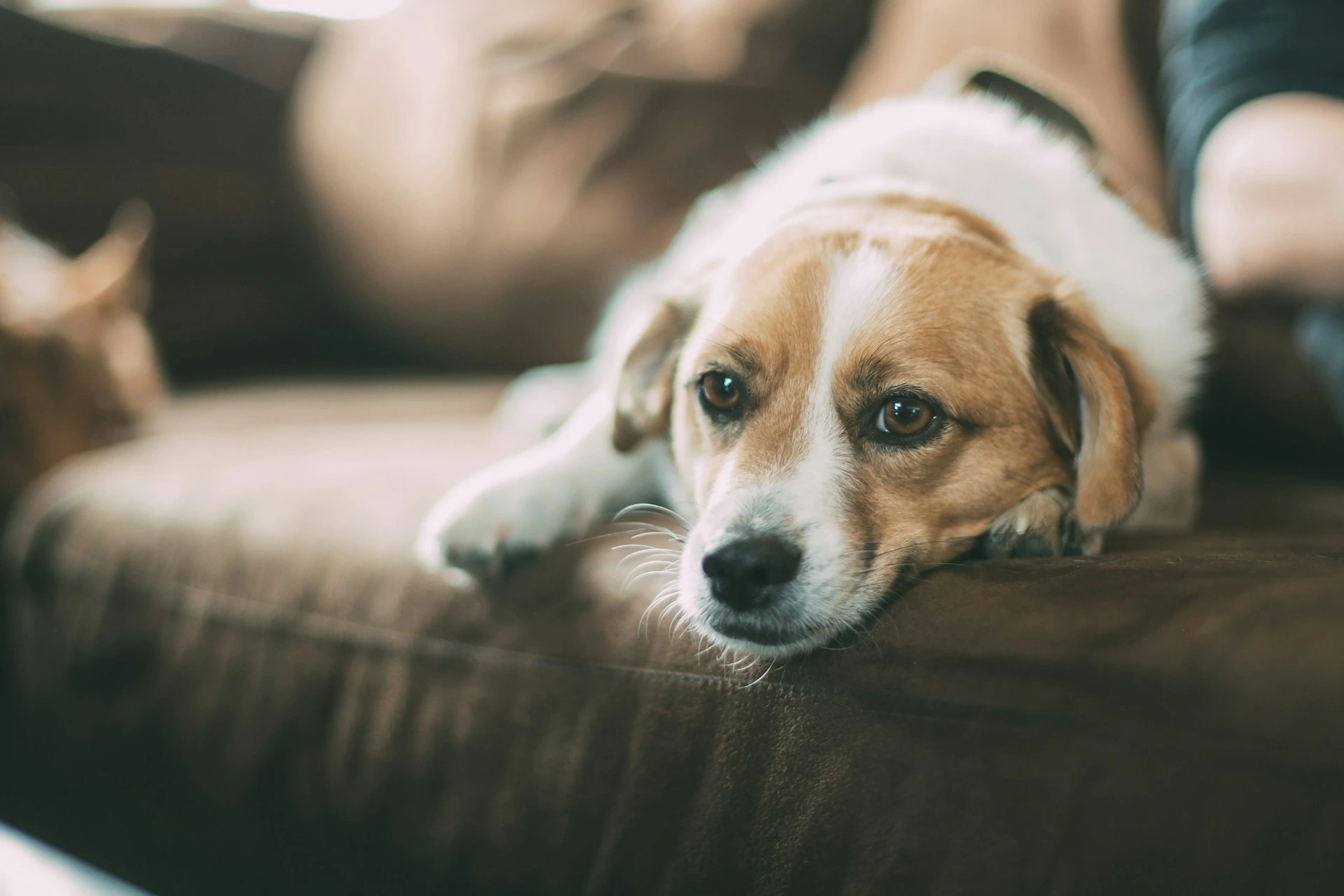


Watching your canine companion grow older is one of the most rewarding parts of having a dog. but it can also be bittersweet, especially when you start noticing changes. Maybe your pup no longer races to greet visitors, seems reluctant to jump onto the couch, or takes longer to get up after a nap. At Clermont Animal Hospital, your Clermont County veterinary clinic, many pet owners assume these changes are simply part of getting older. While some aging changes in dogs are perfectly normal, others may signal underlying medical conditions that deserve attention. Understanding the difference can help support better senior dog health and quality of life.
As our pups get a little gray around the muzzle, it’s normal to notice changes in how they move, act, and play. But here’s the thing. Not every slowdown is just “old age.” Spotting mobility issues, picking up on signs of arthritis, and keeping up with regular checkups can help us catch problems early and keep your four-legged pal comfy well into their golden years.
Most senior dogs experience some degree of physical change as they age.
Just like us, dogs start to move a little differently as they get older. Their muscles, joints, and energy levels all change. Sometimes their get-up-and-go just got up and went.
Some slowing down is a normal part of aging. However, significant changes in activity, mobility, comfort, or behavior should not automatically be dismissed as normal. Many conditions affecting senior dog health can be managed more effectively when identified early.
The challenge is determining when a change reflects normal aging and when it may indicate an underlying health issue.
Not every change is cause for concern.
Many healthy senior dogs experience:
Common aging changes in dogs include gradual decreases in stamina, increased rest periods, and subtle sensory changes. These shifts tend to occur slowly over time rather than appearing suddenly.
Gradual change is often less concerning than abrupt behavioral or physical changes.
A sudden slowdown frequently warrants further investigation.
One of the first concerns many owners notice involves movement.
Your canine pal may hesitate before climbing stairs, struggle to jump into the car, or appear stiff after resting.
Mobility problems in older dogs often involve stiffness, slower movement, difficulty rising, reluctance to jump, and decreased willingness to exercise.
These changes may affect daily activities such as:
While some decline in athletic ability is expected, noticeable discomfort is not something dogs should simply “live with.”
Arthritis is one of the most common conditions affecting senior dog health.
Over time, joint wear and inflammation can make movement increasingly uncomfortable.
Unfortunately, many dogs hide pain surprisingly well.
Common arthritis symptoms in senior dogs include stiffness, limping, reluctance to exercise, difficulty standing, slower movement, and decreased interest in activities they once enjoyed.
Watch for signs such as:
Many owners initially mistake these symptoms for simple aging when they may actually indicate joint discomfort.
Physical changes are not the only concerns that affect senior dog health.
Behavioral changes may also indicate underlying medical conditions.
Potential warning signs include:
Behavioral changes in senior dogs may reflect pain, cognitive decline, sensory changes, or medical conditions that require veterinary evaluation.
Dogs often communicate discomfort through behavior long before obvious physical symptoms appear.
Paying attention to subtle changes can provide valuable clues.
Unexpected weight changes deserve attention regardless of age.
Both weight gain and weight loss can affect overall health.
Unexplained weight changes may indicate medical concerns affecting senior dog health, including metabolic disorders, dental disease, organ dysfunction, or reduced mobility.
Excess weight may worsen:
Meanwhile, unexplained weight loss may signal illness that requires prompt evaluation.
Routine weight monitoring helps identify trends early.
Oral health often receives less attention than joint and mobility issues, but dental disease can significantly impact quality of life.
Painful teeth and gums may affect:
Dental disease can contribute to reduced activity, discomfort, and changes in eating behavior. Regular oral evaluations are an important component of senior dog wellness care.
Many dogs continue eating despite significant dental discomfort.
Routine examinations help identify concerns that may otherwise remain hidden.
Sensory changes frequently occur as dogs age.
Some senior dogs become less responsive because they cannot hear or see as well as they once could.
Common aging changes in dogs include gradual declines in vision and hearing. These changes may affect confidence, behavior, and interactions with family members.
Signs may include:
Veterinary evaluation can help determine whether sensory changes are age-related or linked to other medical conditions.
Not all slowdowns are caused by arthritis or normal aging.
Several medical conditions can affect energy levels and mobility.
Examples include:
A sudden or significant decline in activity may indicate an underlying medical condition rather than normal aging. Veterinary evaluation helps identify potential causes.
Early diagnosis often provides more treatment and management options.
Never assume a major change is simply due to age.
As our pups get older, preventive care becomes even more important.
Regular vet visits help us catch health issues before they turn into bigger problems.
Senior dog wellness care focuses on monitoring age-related changes, identifying developing health concerns, evaluating mobility, and supporting long-term comfort and quality of life.
Wellness visits often include evaluation of:
All these checkups give us a chance to step in early if something’s not quite right.
A few small tweaks around the house can make a world of difference for your senior pup.
Helpful strategies include:
Supporting senior dog health at home involves promoting mobility, maintaining healthy body condition, providing comfort, and monitoring for changes that may require veterinary attention.
Even simple changes can go a long way toward keeping your older dog comfy and happy.
There’s a great article by the American Kennel Club on common health issues in senior dogs. They also offer some great enrichment ideas for your senior pup.
Common aging changes in dogs include lower energy levels, increased sleeping, reduced stamina, and mild sensory changes. These typically develop gradually over time.
Common arthritis symptoms in senior dogs include stiffness, limping, difficulty rising, reluctance to jump, and decreased activity. A veterinary examination can help determine whether arthritis is present.
No. Mobility problems in older dogs may result from arthritis, neurological conditions, injuries, muscle loss, or other medical concerns.
Many senior dogs benefit from wellness evaluations every six months to support proactive senior dog wellness care and early disease detection.
You should schedule a veterinary evaluation if slowing down occurs suddenly, worsens rapidly, or is accompanied by pain, weight changes, behavioral changes, or mobility difficulties.
Supporting excellent senior dog health starts with recognizing the difference between normal aging and potential medical concerns. By monitoring mobility issues in older dogs, watching for arthritis symptoms in senior dogs, understanding common aging changes in dogs, and prioritizing routine senior-dog wellness care, you can help your canine companion enjoy a healthier, more comfortable life.
Are you searching for a trusted vet near me in Clermont County? Clermont Animal Hospital provides comprehensive senior pet care, wellness evaluations, mobility assessments, and personalized treatment recommendations designed to support aging dogs. Schedule an appointment today and let our veterinary team help your furry bestie stay active, comfortable, and happy throughout their senior years.
This blog is intended for informational purposes only. Always consult your veterinarian for individualized medical advice, diagnosis, treatment recommendations, and healthcare guidance for your pet.
If you would like to learn more about our Clermont County animal clinic, visiting our Service page is a great start. You’ll find more information about our premier pet clinic and the services we offer, including Wellness & Vaccinations, Laser Therapy, and more.