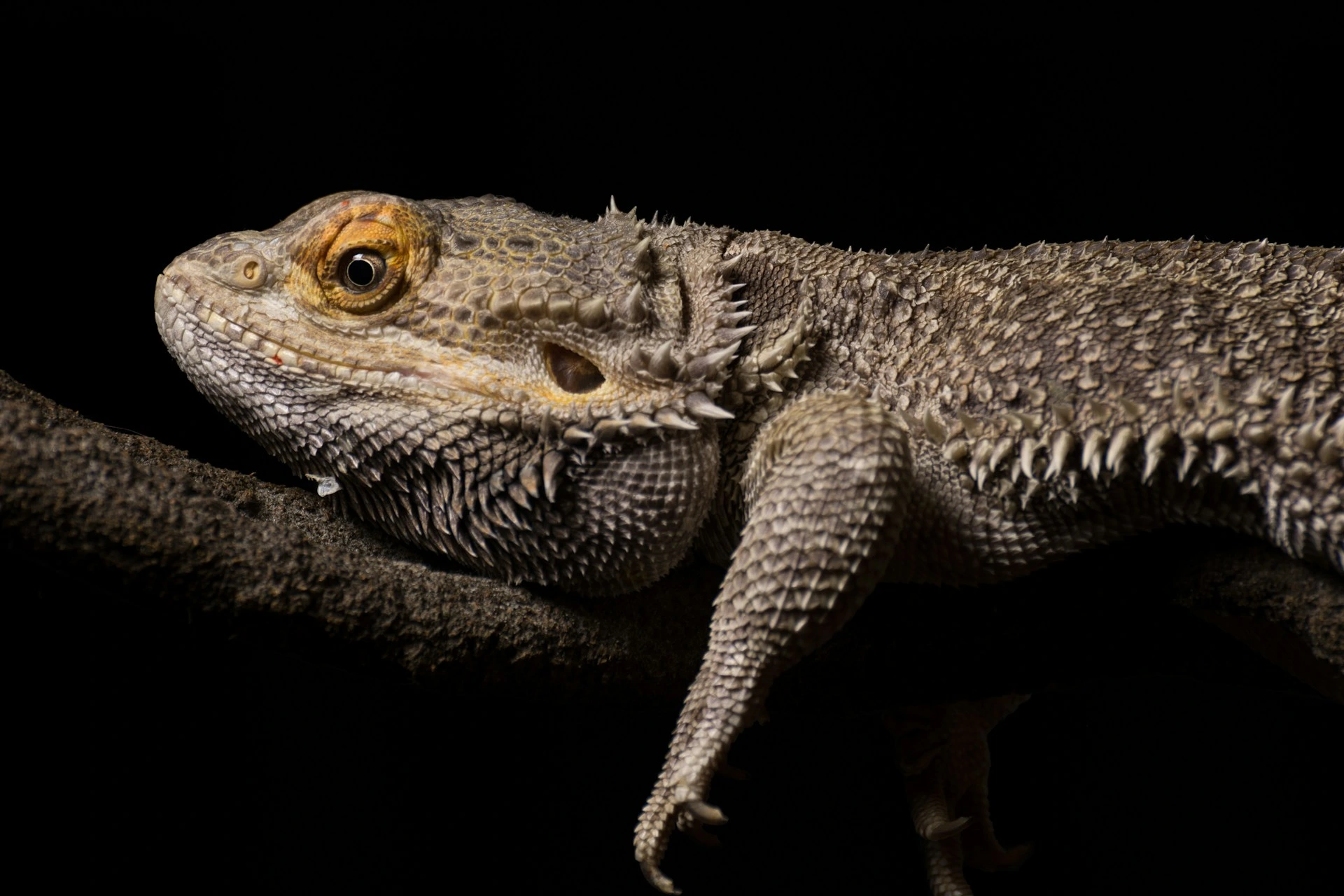


Growing older is a natural part of life, whether your companion has fur, feathers, scales, or quills. While many pet owners are familiar with senior care for dogs and cats, the aging process in exotic pets often receives less attention. At Clermont Animal Hospital, your Clermont County veterinary clinic, helping families understand senior exotic pet care is an important part of supporting long-term health and well-being. From rabbits and guinea pigs to birds, reptiles, hedgehogs, sugar gliders, and other unique companions, exotic pets experience age-related changes that deserve careful monitoring.
Because exotic species often hide signs of illness, subtle changes can easily go unnoticed. Understanding aging-related health concerns in exotic pets, learning how to care for older exotic pets, scheduling regular wellness exams, and focusing on maintaining quality of life for senior exotic pets can help your companion remain comfortable and active throughout their golden years.
Exotic pets are a diverse bunch, and their lifespans can be just as varied as their personalities.
Some of our exotic friends seem to zoom through life, while others might stick around for decades, especially with a little TLC.
When does an exotic pet become a senior? Well, it depends! Rabbits, Guinea pigs, birds, reptiles, hedgehogs, and sugar gliders all have their own timelines, so regular vet visits are extra important to help us keep track.
Since every species marches to the beat of its own drum, having your vet on your team is especially helpful as your pet gets older.
Even within the same species, individual aging patterns may vary.
As our exotic pals get up there in years, you might notice some slow and steady changes in how they look or act.
Some of these changes are just part of getting older, but others can be a sign that something’s not quite right.
Common aging exotic pet health concerns include reduced mobility, changes in appetite, weight fluctuations, decreased activity, dental issues, vision changes, and age-related medical conditions.
These shifts usually sneak up on us over time.
Knowing what’s normal and what deserves a closer look is the key to helping your pet stay happy and healthy for the long haul.
One of the first things many pet parents spot is that their buddy just isn’t as active as they used to be.
Maybe your older rabbit is snoozing more, your senior bird isn’t as eager to climb, or your reptile pal is taking things at a slower pace than before.
Reduced activity is one of the most common age-related changes seen in senior exotic pets. However, sudden or significant decreases in activity should always be evaluated by a veterinarian.
A little slowing down is normal, but if your pet suddenly seems like they’ve hit the brakes, it’s time to check in with your vet.
Things like pain, illness, or stiff joints can all make your pet less active.
Joint wear and age-related physical changes can affect movement.
Depending on the species, mobility changes may present differently.
Potential signs include:
Mobility changes are common aging exotic pet health concerns and may affect comfort, exercise, and overall quality of life.
Monitoring movement patterns can provide valuable insight into your pet’s well-being.
Early intervention often helps support comfort and mobility.
Unexpected weight gain or weight loss can occur as exotic pets age.
It can be tough to spot weight changes just by looking, especially if your pet is on the smaller side.
Weight fluctuations are important indicators of health in senior exotic pets. Routine monitoring can help identify medical concerns before other symptoms become obvious.
Possible causes include:
Weighing your pet regularly is a simple way to keep tabs on their health and catch any changes early.
Dental health is a significant aspect of senior exotic pet care, particularly for species with continuously growing teeth.
This includes:
Dental disease is one of the most common aging exotic pet health concerns and may contribute to weight loss, reduced appetite, drooling, and difficulty eating.
Older pets often need a little extra attention to their teeth, so keep an eye out for any changes.
Regular check-ups with your vet can help catch dental problems before they become more serious.
If your pet’s eating habits change, it’s always worth taking seriously.
Older exotic pets may eat differently due to:
Changes in appetite are often among the earliest indicators of illness in senior exotic pets and should never be ignored.
Watch for:
Getting your pet checked out quickly can help you figure out what’s going on.
Many exotic pets experience gradual sensory changes as they age.
These changes may affect confidence, activity, and behavior.
Vision and hearing changes may occur naturally with age and can influence how exotic pets interact with their environment.
Signs may include:
A few simple tweaks to your pet’s home can go a long way in keeping them comfy and confident as they age.
Behavior frequently provides important clues about health status.
Changes may include:
Behavioral changes can reflect normal aging, discomfort, illness, or environmental stress. Monitoring behavioral patterns is an important part of caring for older exotic pets.
Since exotic pets are experts at hiding when they’re not feeling well, even small changes are worth a closer look.
You know your pet best, so you’ll often be the first to spot when something’s a little off.
As your pet gets older, you might need to make a few changes to their environment.
Even small changes can make a big difference in your pet’s daily comfort.
Examples include:
Environmental modifications help support mobility, comfort, and safety while maintaining the quality of life for senior exotic pets.
Try to tailor any changes to your pet’s species and their unique needs.
The aim is to make life easier for your pet without taking away the things they love to do.
Routine veterinary care becomes increasingly valuable during the senior years.
Many age-related issues can sneak up slowly and may not show obvious signs right away.
Regular exotic pet wellness exams help identify developing health concerns before they become advanced and provide opportunities to monitor age-related changes.
During wellness visits, veterinarians may evaluate:
These check-ups help set a baseline for your pet’s health and make it easier to catch any changes early.
Keeping your senior exotic pet comfortable and happy is one of the most important things you can do.
Quality of life involves more than physical health.
The quality of life for senior exotic pets includes comfort, mobility, appetite, engagement, normal behaviors, and the ability to enjoy daily activities.
Questions to consider include:
Regular assessment helps guide healthcare decisions as pets age.
Every exotic species ages a little differently, so it’s important to know what’s normal for your particular pet.
Examples include:
Older birds may develop arthritis, changes in mobility, or vision concerns.
Dental disease and arthritis often become more common with age.
Older reptiles may experience mobility issues, changes in activity level, and age-related organ concerns.
Senior individuals may show reduced activity, weight changes, or age-related behavioral shifts.
While aging affects all exotic pets, the specific challenges vary by species. Individualized veterinary care helps address these unique needs.
Love, Baxter has a piece on caring for a senior exotic pet. The World Wildlife Fund also has a piece on adopting senior pets.
Common aging exotic pet health concerns include mobility changes, dental disease, weight fluctuations, sensory changes, reduced activity, and age-related medical conditions.
Many older exotic pets benefit from more frequent wellness exams because age-related conditions can develop gradually and are easier to manage when detected early.
Reduced activity, changes in appetite, weight loss, altered behavior, mobility difficulties, and changes in grooming habits may indicate discomfort or illness.
Supporting the quality of life for senior exotic pets often involves regular veterinary care, environmental modifications, proper nutrition, and monitoring for age-related changes.
Not necessarily. While some reduction in activity may occur with age, sudden or significant changes should always be evaluated by a veterinarian.
Providing excellent senior exotic pet care means recognizing age-related changes early and adapting care as your companion’s needs evolve. By understanding aging-related health concerns in exotic pets, focusing on caring for older exotic pets, scheduling routine wellness exams, and prioritizing the quality of life for senior exotic pets, you can help your beloved companion enjoy their later years with greater comfort and well-being.
Are you searching for a trusted vet near me in Clermont County who treats exotic pets? Clermont Animal Hospital provides comprehensive exotic pet care, preventive health services, wellness evaluations, and personalized recommendations for a wide variety of unique species. Schedule an appointment today and let our veterinary team help your senior exotic companion thrive throughout every stage of life.
This blog is intended for informational purposes only. Always consult your veterinarian for personalized medical advice, diagnosis, treatment recommendations, and healthcare guidance for your pet.
If you would like to learn more about our Clermont County animal clinic, visiting our Service page is a great start. You’ll find more information about our premier pet clinic and the services we offer, including Wellness & Vaccinations, Exotic Animal Veterinary Care, and more.