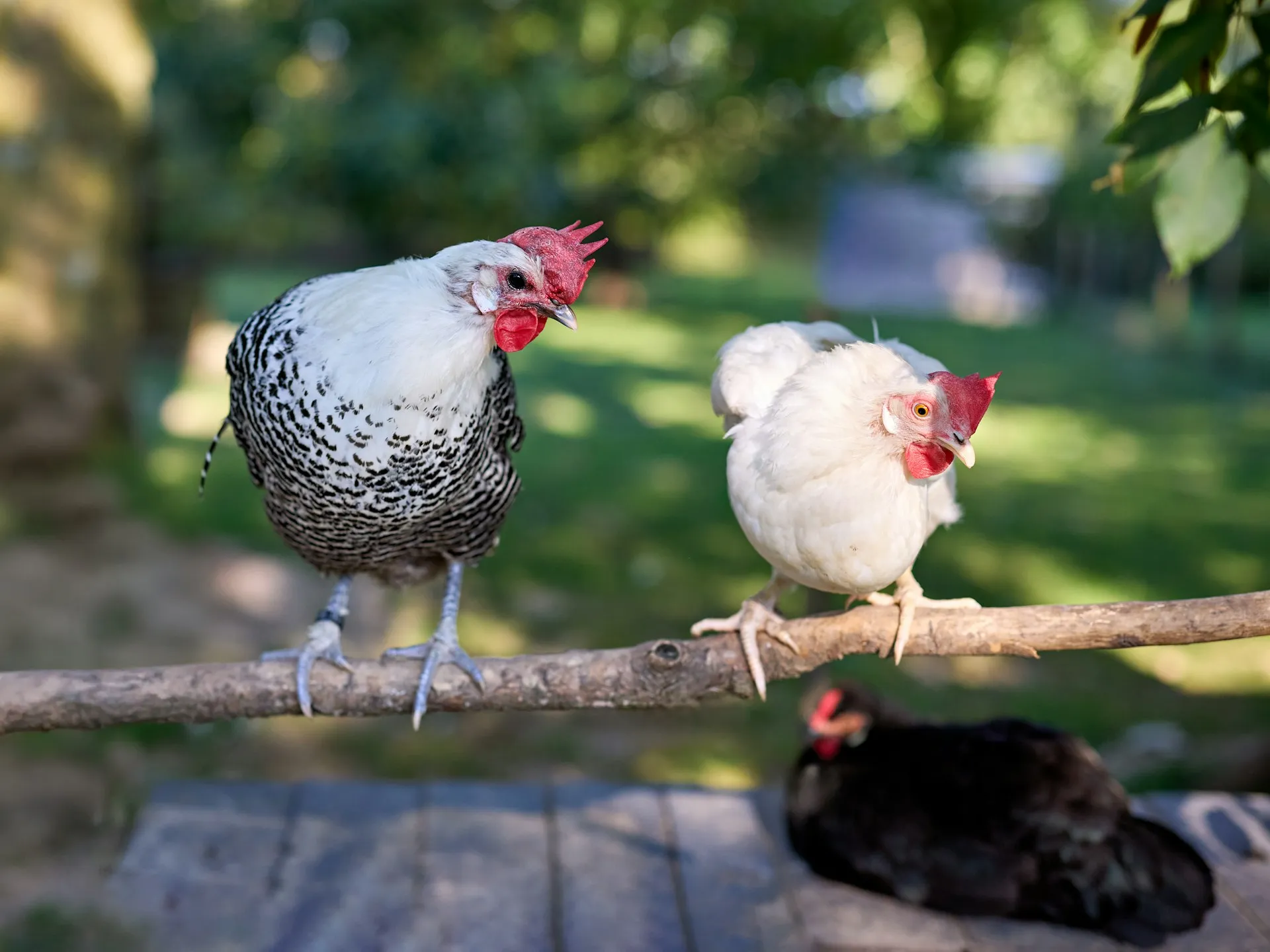


Backyard chickens have become increasingly popular throughout Ohio, providing families with fresh eggs, enjoyable companionship, and a rewarding connection to agriculture. While chickens are generally hardy animals, Ohio’s changing weather patterns can present unique challenges throughout the year. At Clermont Animal Hospital, your Clermont County veterinary clinic, questions about backyard chicken care often increase when temperatures swing from freezing winter conditions to hot, humid summer days. Understanding how weather affects your flock is an important part of keeping chickens healthy and productive.
Ohio chickens experience a wide range of environmental conditions, including snowstorms, ice, heat waves, humidity, heavy rainfall, and rapid temperature changes. Learning about chicken health during extreme weather, following practical backyard flock wellness tips, implementing proper winter care for chickens, and practicing effective summer heat safety for chickens can help your flock stay healthier and more comfortable year-round.
Ohio experiences four distinct seasons, and each one presents different challenges for backyard poultry owners.
Unlike our pampered indoor pets, chickens spend most of their time braving the great outdoors. That means their coop, diet, and daily care make a big difference in how well they handle whatever Mother Nature throws their way.
Successful backyard chicken care requires adapting flock management practices to changing weather conditions. Temperature extremes, humidity, storms, snow, and seasonal changes can all affect chicken health and well-being.
If you know what to watch for each season, you can make small changes before little problems turn into big ones.
Chickens are tougher than they look, but too much stress from the weather can take a toll on them. You might notice changes in things like:
And just like us, chickens under stress are more likely to get sick.
The goal is to reduce environmental stress so your chickens stay healthy, comfortable, and productive all year round.
A little planning ahead goes a long way toward keeping your chickens safe and sound all year.
Winter can be especially tough on backyard flocks. After all, nobody likes cold toes, not even chickens!
Snow, ice, freezing temps, and chilly winds mean you’ll need to pay extra attention to your coop and your birds’ daily care.
The good news? Healthy chickens are usually much better at handling the cold than most folks think.
When it comes to winter care, focus on keeping the coop dry, ensuring good airflow (but no drafts), feeding a balanced diet, and always having unfrozen water available.
Chickens can handle the cold, but it’s actually dampness and wind that cause the most trouble in winter.
One of the most common winter chicken-keeping mistakes is worrying only about keeping things warm.
Moisture is actually a bigger problem than the cold itself.
Wet bedding and excessive humidity may contribute to:
Keeping the coop dry and clean is one of the best ways to prevent cold-weather health issues, since moisture ups the risk for problems.
Regular cleaning and fresh bedding go a long way toward keeping your coop—and your chickens—healthy.
Some flock owners seal coops tightly to keep chickens warm.
Unfortunately, poor ventilation can lead to moisture buildup and declining air quality.
Proper airflow helps remove:
Good ventilation supports chicken health during extreme weather by improving air quality while reducing moisture accumulation inside the coop.
Ventilation should allow fresh air exchange without exposing chickens to strong drafts.
Finding the right balance is key.
Frostbite is one of the most common winter-related poultry concerns.
Areas most vulnerable include:
Cold temperatures combined with moisture significantly increase risk.
Dry housing, proper ventilation, and protection from excessive moisture help reduce the risk of frostbite. Keep an eye on your chickens during cold snaps and check them for any signs of frostbite or tissue damage.
If you spot a problem early, you can step in before things get worse.
Freshwater is just as important in winter as in summer.
Frozen waterers can become a real headache during long cold spells.
Making sure your flock always has clean, unfrozen water is one of the most important parts of winter chicken care.
Check waterers often when it’s freezing out.
Hydration supports:
Don’t forget. Water is just as vital as food, even in the cold.
We talk a lot about winter, but summer can be just as tough for chickens.
Ohio summers often bring:
Chickens can’t sweat as we do, so they have to find other ways to cool off.
To keep your flock safe in the summer, make sure they have plenty of shade, good airflow, and lots of fresh water to help them beat the heat.
Heat stress can sneak up fast if you’re not careful.
Knowing the early warning signs means you can step in before things get serious.
Potential symptoms include:
If you see panting, droopy wings, or your chickens acting tired and sluggish, it’s time to act fast.
Never ignore signs of heat stress.
Prompt action can help prevent more serious complications.
Shade is one of the easiest and best ways to help your chickens stay cool in the summer.
Chickens will look for the coolest spots they can find when it’s hot out.
Giving them shady spots helps keep them out of the sun and more comfortable.
Helpful options include:
Making sure your flock always has shade helps prevent heat stress and keeps everyone happier during hot spells.
Try to make sure there’s shade available all day, since the sun moves around.
Water is extra important when the weather heats up.
Chickens may significantly increase water consumption during heat waves.
Fresh, clean water is one of the most important tools for summer heat safety for chickens and should always be readily available.
Water stations should be checked frequently during hot conditions.
Don’t forget to keep water containers clean, too. It helps keep your flock healthy.
Some good habits help your chickens year-round.
These wellness tips will keep your flock in good shape, no matter what the weather’s doing.
Important practices include:
Consistent preventive care remains one of the most valuable backyard flock wellness tips for maintaining a healthy flock year-round.
A little prevention now can save you a lot of trouble down the road.
Ohio weather can turn on a dime.
Strong storms may bring:
Getting ready ahead of time helps keep both you and your chickens calm when storms roll in.
Storm preparedness includes securing housing, regularly inspecting structures, and having contingency plans for severe weather events.
A sturdy coop keeps your flock safe from both wild weather and hungry predators.
Regular upkeep helps prevent storm damage.
Stress from the weather can sometimes bring hidden health issues to light.
Changes that warrant attention include:
If you notice changes in appetite, activity, breathing, or egg laying, it’s time to take a closer look and act quickly.
Early identification means you can help your flock more effectively.is one of the most valuable tools available to flock owners.
A lot of folks wait until there’s a big problem before calling the vet. But preventive care and a little expert advice can make a world of difference.
Veterinary consultations may help address:
A good vet can help you spot health issues early, improve your flock management, and give advice that fits your chickens’ unique needs.
It’s always a good idea to get to know your vet before there’s an emergency.
Massachusetts’ state site has an article on protecting chickens from predators. PetMD has a chicken care sheet.
Healthy chickens often tolerate surprisingly cold temperatures when provided with dry housing, proper ventilation, and protection from wind and moisture.
Effective winter care for chickens focuses on keeping the coop dry, maintaining ventilation, providing unfrozen water, and protecting birds from excessive moisture.
Signs requiring attention include panting, wing spreading, lethargy, reduced activity, and decreased appetite.
Providing shade, ventilation, and abundant fresh water are among the most effective summer heat safety strategies for chickens.
Following consistent backyard flock wellness tips such as good sanitation, proper nutrition, routine monitoring, and preventive healthcare helps support long-term flock health.
Successful backyard chicken care requires adapting to Ohio’s changing weather conditions throughout the year. By understanding chicken health during extreme weather, implementing practical backyard flock wellness tips, prioritizing proper winter care for chickens, and practicing effective summer heat safety for chickens, you can help your flock stay healthier and more comfortable no matter the season.
Are you searching for a trusted vet near me in Clermont County for your backyard flock? Clermont Animal Hospital provides veterinary guidance, wellness care, preventive health services, and support for a variety of exotic and backyard poultry species. Schedule an appointment today and let our veterinary team help your chickens thrive through every season in Ohio.
This blog is intended for informational purposes only. Always consult your veterinarian for personalized medical advice, diagnosis, treatment recommendations, and flock management guidance for your animals.
If you would like to learn more about our Clermont County animal clinic, visiting our Service page is a great start. You’ll find more information about our premier pet clinic and the services we offer, including Wellness & Vaccinations, Exotic Care, and more.