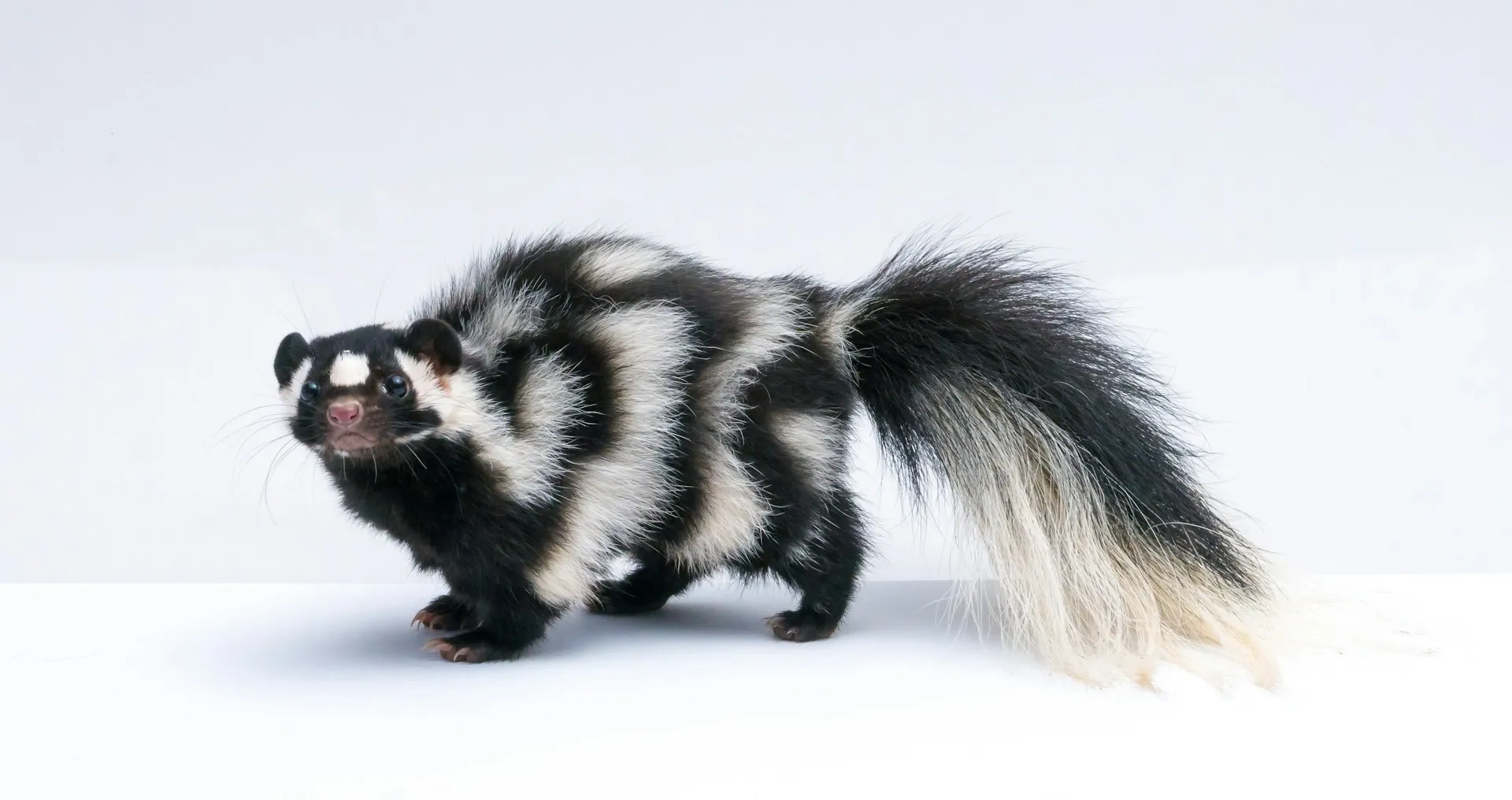


Thinking about adding a pet skunk to your family? Or maybe you already share your home with one of these clever, curious little charmers. Skunks may not be as common as Fluffy the cat or Fido the dog, but they’ve certainly won the hearts of many exotic pet lovers with their playful personalities and affectionate nature. Here at Clermont Animal Hospital, we get lots of questions from both new and seasoned skunk parents who want to make sure their stripey pals are living their best lives.
Skunks have some pretty unique needs, so it’s important to know what you’re getting into. Caring for a pet skunk is about more than just food and a cozy bed (though they’ll certainly appreciate both!). Nutrition, enrichment, regular checkups, and preventive care are all key ingredients for a happy, healthy skunk. Whether you’re just starting your skunk journey or you’re already a proud skunk parent, learning about their health, diet, and finding a vet who knows their stuff can help your little buddy thrive for years to come.
Before you fall in love with a skunk’s adorable face, make sure to check your local and state rules.
Laws about pet skunks can be a bit, well, stinky. Sometimes they change from one town to the next! Always double-check the latest requirements before bringing a skunk home.
Pet skunk ownership laws vary by location. Before acquiring a skunk, check current state and local regulations and ensure you understand any licensing, permit, or ownership requirements that may apply.
Being a responsible skunk parent starts with knowing the rules and what your new buddy needs to stay happy and healthy.
You might be surprised to learn just how social and interactive pet skunks can be.
Skunks are natural explorers, always on the lookout for something new to sniff or investigate. They’re smart, quick learners, and love figuring out routines (especially if there’s a snack involved).
Some common personality traits include:
Domesticated skunks are often intelligent, curious, playful companions that enjoy interaction and environmental exploration. Their personalities vary, but many develop strong bonds with their families.
Of course, skunks can also be a bit independent and, yes, sometimes stubborn. (Sounds familiar to any cat owners out there?)
Giving your skunk plenty of fun things to do helps keep that curiosity out of trouble and into healthy, happy activities.
Making your home safe for your skunk is one of the most important things you can do as a skunk parent.
Skunks are natural explorers and investigators. They often use their noses and paws to examine everything around them.
That curiosity can get them into a bit of mischief if your home isn’t skunk-proofed.
Important safety considerations include:
Many skunk parents find that skunk-proofing is a lot like childproofing, just with more digging and a little more sass.
Giving your skunk safe ways to explore helps satisfy their instincts and keeps them out of trouble.
Good nutrition is one of the best ways to help your skunk stay healthy for the long haul.
One of the biggest challenges with pet skunks? Keeping them at a healthy weight! Skunks are enthusiastic eaters (to put it mildly) and can easily pack on the pounds if we’re not careful with their diets.
Skunk nutrition requirements focus on providing balanced nutrition while avoiding excessive calorie intake. A healthy diet supports weight management, organ function, and overall well-being.
Since every skunk is a little different, it’s a good idea to chat with your vet about the best diet for your furry friend’s age, activity level, and health.
A good feeding plan means offering a variety of healthy foods. Just don’t let those pleading eyes talk you into overfeeding!
Extra weight can lead to all sorts of health problems and can really put a damper on your skunk’s quality of life.
Helping your skunk stay at a healthy weight is a big part of keeping them happy and active.
Excess body weight may increase the risk of:
Regular checkups with your vet can catch small changes before they become big problems.
During wellness visits, your vet will check your skunk’s body condition to make sure everything’s on track.
Keeping your skunk at a healthy weight can help them feel better and live longer.
Skunks are smart cookies, and they need regular mental workouts to stay happy.
Without enough enrichment, skunks can get bored—and that’s when the mischief starts.
Giving your skunk chances to explore and solve little puzzles helps keep them emotionally healthy.
Examples of enrichment include:
Mental enrichment supports healthy behavior by encouraging natural exploration, problem-solving, and physical activity. Enrichment is an important component of caring for a pet skunk.
Plus, playing and exploring together is a great way to bond with your skunk.
Many exotic pet owners underestimate the value of preventive healthcare.
Regular vet visits help us keep an eye on your skunk’s health and catch any issues before they get serious.
Wellness visits often include evaluation of:
Routine wellness examinations are a key component of pet skunk health care because they help identify medical concerns early and support long-term preventive healthcare.
Preventive care lets us tackle small problems before they become big ones.
Skunks are definitely not just stripey cats or funny-looking dogs. They have their own unique anatomy, behaviors, and health needs.
For this reason, working with an exotic veterinarian for skunks is especially important.
Veterinarians experienced with exotic species understand the specialized care these animals require.
An exotic veterinarian specializing in skunks has training and experience in managing the unique medical, nutritional, and behavioral needs of pet skunks.
It’s always better to have a vet lined up before you need one. A wellness relationship also provides opportunities for preventive guidance tailored to your individual pet.
Just like any other pet, skunks can run into health issues from time to time.
Potential concerns may include:
Keeping a close eye on your skunk helps you spot changes early.
Keep an eye out for things like:
Changes in appetite, behavior, activity level, mobility, or body condition may indicate developing health concerns and should be discussed with your veterinarian.
Early veterinary evaluation often supports more effective management.
Most pet skunks love spending time with their favorite humans.
Gentle, positive handling helps your skunk feel safe and builds trust.
When interacting with a skunk:
If you have a young skunk, patience is key while they settle in and get used to their new home.
Taking things slow and steady helps you build a strong, lasting bond with your skunk.
Skunks are pretty good at hiding when they’re not feeling well, so even small changes are worth noticing.
Potential warning signs include:
Behavioral changes, appetite changes, lethargy, weight loss, and mobility issues can all indicate illness in pet skunks and warrant veterinary evaluation.
Getting your skunk checked out quickly can help prevent bigger problems down the road.
Skunk Haven has a good skunk care guide. Spruce Pets also has an article about whether you should have a skunk.
With the right care, enrichment, and social time, pet skunks can be affectionate and interactive little buddies.
Great skunk care starts with good food, fun enrichment, a safe home, regular vet visits, and keeping an eye on their health and behavior.
What you feed your skunk has a big impact on their weight, health, energy, and overall well-being in the long run. Balanced nutrition is one of the best gifts you can give your skunk.
Regular wellness visits let your vet check your skunk’s health, talk about diet, and catch any issues before they get serious.
Absolutely! It’s always smart to find a skunk-savvy vet before you ever need one. That way, you’re ready for anything and your skunk gets the best care possible.
Providing excellent care for skunks starts with education, preparation, and preventive healthcare. Whether you’re interested in caring for a pet skunk, learning more about pet skunk health care, understanding skunk nutrition requirements, or establishing care with an exotic veterinarian for skunks, professional guidance can help you support your companion’s health throughout every life stage.
Are you searching for a trusted vet near me in Clermont County who treats exotic pets? Clermont Animal Hospital provides comprehensive exotic pet care, wellness examinations, preventive healthcare services, and personalized recommendations for a wide range of companion animals. Schedule an appointment today and help your pet skunk enjoy a healthier, more enriching life.
This blog is intended for informational purposes only. Always consult your veterinarian for personalized medical advice, diagnosis, treatment recommendations, and preventive care guidance for your pet.
If you would like to learn more about our Clermont County animal clinic, visiting our Service page is a great start. You’ll find more information about our premier pet clinic and the services we offer, including Wellness & Vaccinations, Exotic Care, and more.