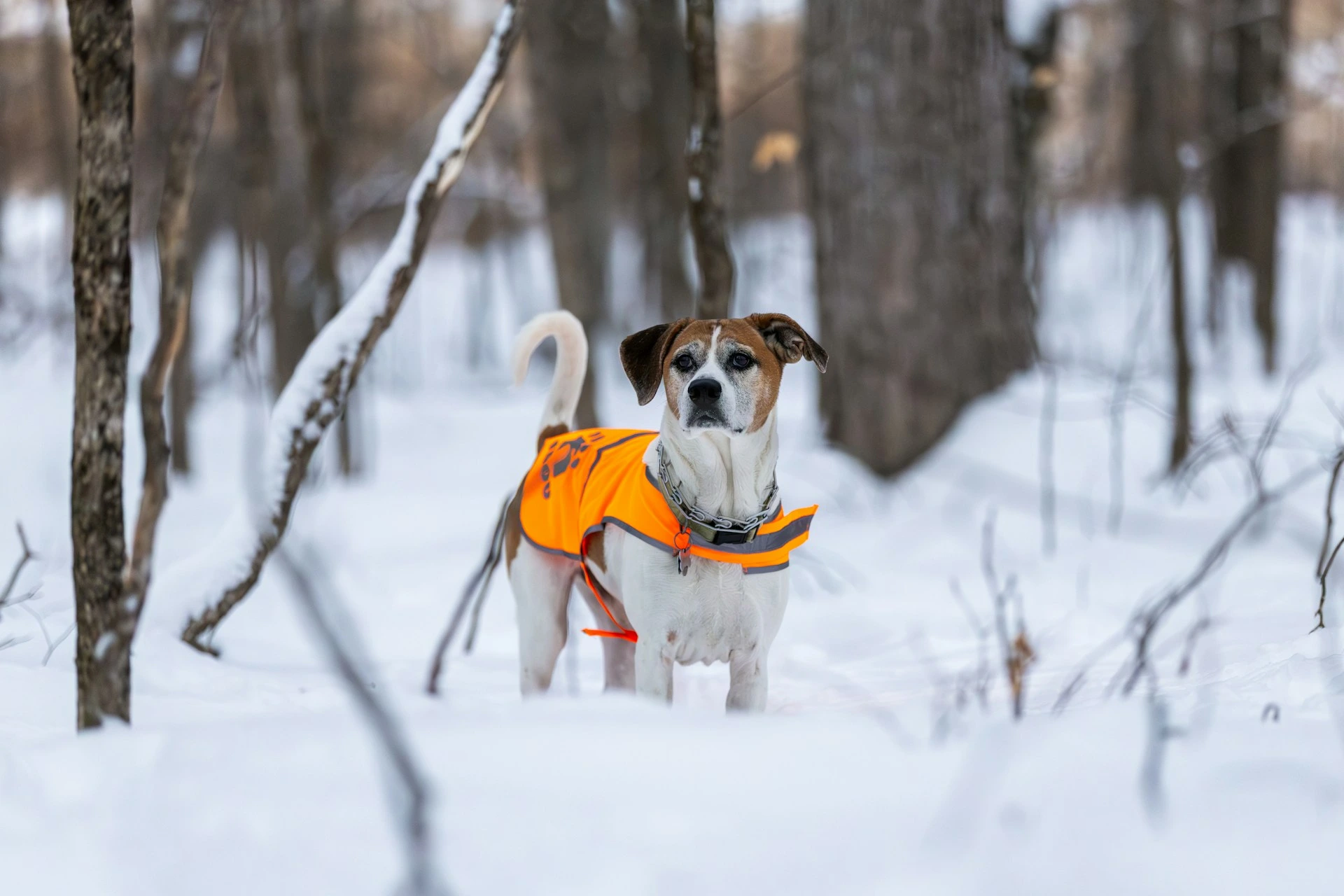


Winter in Ohio brings beautiful snowfalls, cozy evenings indoors, and plenty of opportunities to enjoy the season with your furry friends. However, colder temperatures also pose several risks to the health and safety of both dogs and cats. At Clermont Animal Hospital, your Clermont County veterinary clinic, helping families understand winter pet safety is an important part of preventive care. While many pet owners prepare themselves for winter weather, they may not always realize how seasonal conditions can affect their pets.
From icy sidewalks to sneaky household hazards, winter brings a few curveballs for our pets every year. Knowing what to watch for, picking up a few handy winter safety tips, and making a few simple changes at home can help your furry companion stay cozy and healthy all season long.
Winter weather can catch even the savviest pet parents off guard. Some pups love bounding through the snow, while most kitties would rather curl up in a sunbeam (or on your favorite sweater). But chilly temps and winter hazards can sneak up on any pet, so it’s good to know what to look out for.
The usual winter suspects? Freezing temps, salty sidewalks, antifreeze puddles, less playtime, and the occasional slip or tumble. Knowing about these risks is the first step to keeping your furry friend safe until spring.
A little planning goes a long way. Your pet will thank you with extra tail wags or purrs all winter long.
Let’s start with the big one: too much time in the cold can spell trouble for our pets.
Some breeds handle the cold better than others, but no pet is completely frostbite-proof.
Little dogs, seniors, puppies, kittens, short-haired breeds, and pets with health issues are especially at risk when the mercury drops.
Too much time in the cold can lead to hypothermia or frostbite, so keeping an eye on your pet’s outdoor adventures is key.
Signs of cold-related problems may include:
Even the most snow-loving pups need a warm spot to thaw out after their winter romps.
And our feline friends? They should always have a cozy, safe place to escape the cold, especially when the weather gets wild.
When protecting pets during winter, consider:
A warm, dry home is still the best defense against winter’s chilly surprises.
Sidewalks, driveways, and parking lots often receive ice melt treatments during winter.
These products might keep us from slipping, but they can be a real pain—literally—for our pets.
Some ice melts can sting sensitive paws, and if your dog or cat licks their feet after a walk, it can upset their tummy.
Ice melt is a classic winter hazard. It can bother paws and cause bigger problems if your pet licks it off during their post-walk grooming session.
Dogs frequently lick their feet after outdoor walks, increasing the risk of exposure.
Cats can run into trouble too, especially if ice melt gets tracked inside on shoes or furry siblings.
Helpful winter safety tips for dogs and cats include:
Checking your pet’s paws regularly can help you spot any cuts, cracks, or irritation from ice and snow before they become a bigger problem.
Antifreeze is one of the scariest winter hazards for pets.
Sadly, even a tiny amount can be extremely poisonous.
Spills can happen in garages, driveways, or even on the street. Curious noses sometimes get pets into trouble if they taste something they shouldn’t.
If your pet gets into antifreeze, it’s a true emergency. Even a little bit can be very dangerous, so call your vet right away.
Early signs may include:
As toxicity progresses, more severe symptoms can develop.
When practicing seasonal pet care in Ohio, make it a habit to:
If you think your pet might have come into contact with antifreeze, don’t wait. Get them to your vet as soon as possible.
Lots of pets slow down when the weather gets cold.
Short days, chilly air, and fewer chances to play outside can mean less exercise for our furry friends. Reduced activity and prolonged inactivity can affect overall health.
Less activity in winter can lead to weight gain, stiff joints, and a bored pet. Keeping up with exercise and fun activities is key to winter pet safety.
Weight gain can increase the risk of:
Cats can be especially prone to winter weight gain since they already love lounging indoors.
Helpful activities include:
Keeping your pet’s body and mind busy is one of the best ways to help them feel their best all winter long.
Ice and snow can turn sidewalks and yards into slippery obstacle courses for both pets and people.
Dogs running through icy yards or jumping from vehicles may experience strains, sprains, or other injuries.
Older pets can have an even tougher time, since stiff joints and slower reflexes make icy ground trickier to handle.
Slippery winter conditions can lead to slips, sprains, sore joints, and falls for our furry companions.
Potential warning signs after a slip include:
If your pet seems stiff or sore after a slip, it’s a good idea to have your vet check them out.
Some helpful winter safety tips for dogs and cats include:
A few simple steps can go a long way to keeping your pet safe from winter bumps and bruises. Additional Seasonal Pet Care Considerations
Winter can bring a few surprises for pet owners that aren’t always top of mind.
These include:
Pets love routine, so sticking to familiar schedules can help keep stress levels low during the busy winter months.
Providing access to fresh water remains important as indoor heating systems may contribute to dehydration.
Most cats turn into professional nappers when the weather gets chilly.
That’s perfectly normal, but it’s still a good idea to keep an eye on any big changes in how much your cat is moving around.
Indoor cats benefit from:
These activities help prevent boredom while supporting physical health.
If your cat spends time outdoors, make sure they have a warm, dry shelter, fresh water, and a safe spot to escape nasty weather.
Senior pets often need a little extra TLC when the temperature drops.
Arthritis, reduced mobility, and chronic health conditions may become more noticeable in cold weather.
Senior pets may experience increased joint stiffness during winter. Regular veterinary care, weight management, and comfortable resting areas can help support mobility and comfort.
Giving your senior pet a cozy bed and helping them avoid icy spots can keep them comfortable and moving all winter.
The ASPCA also has a good piece on winter pet care. The Ontario SPCA and Humane Society has a helpful article on winter care for dogs.
The most common winter risks include freezing temperatures, exposure to antifreeze, ice-melt chemicals, reduced exercise, and injuries from slippery conditions.
Effective winter pet safety includes limiting cold exposure, monitoring paw health, storing chemicals safely, maintaining exercise routines, and providing warm indoor environments.
Yes. Dogs can develop frostbite when exposed to freezing temperatures for prolonged periods, particularly on the ears, tail, and paws.
Antifreeze contains compounds that can be highly toxic if ingested. Even small amounts can cause severe illness and require emergency veterinary treatment.
Indoor play, enrichment activities, puzzle feeders, training exercises, and weather-appropriate outdoor activity can help maintain physical and mental stimulation during colder months.
Practicing good winter pet safety helps your furry friend stay healthy throughout Ohio’s coldest months. By understanding common cold weather pet hazards, focusing on protecting pets during winter, following practical winter safety tips for dogs and cats, and prioritizing seasonal pet care in Ohio, you can help reduce seasonal risks and keep your companion comfortable.
Are you searching for a trusted vet near me in Clermont County? Clermont Animal Hospital provides wellness care, preventive services, seasonal health guidance, and personalized recommendations for pets of all ages. Schedule an appointment today and let our veterinary team help your dog or cat enjoy a safer, healthier winter season.
This blog is intended for informational purposes only. Always consult your veterinarian for individualized medical advice, diagnosis, treatment recommendations, and preventive healthcare guidance for your pet.
If you would like to learn more about our Clermont County animal clinic, visiting our Service page is a great start. You’ll find more information about our premier pet clinic and the services we offer, including Wellness & Vaccinations, Allergies & Dermatology, Emergency Care, Behavioral Counseling, Exotic Care, and more.