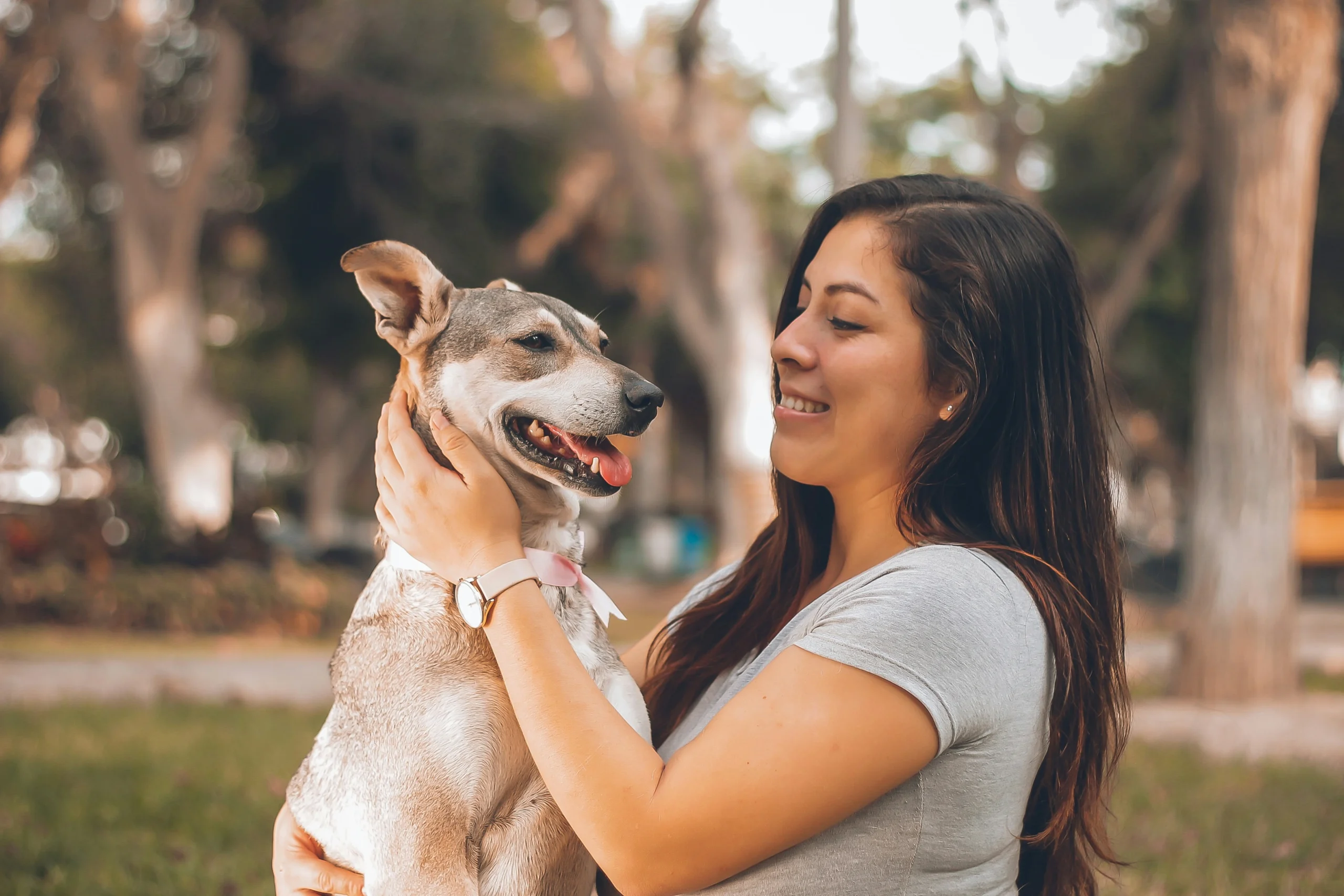


You head to the kitchen, and your dog follows. You walk to the laundry room, and there they are again. Even a quick trip to the bathroom may come with a furry escort waiting outside the door. If you’ve ever wondered, Why does my dog follow me, you’re certainly not alone. At Clermont Animal Hospital, your Clermont County veterinary clinic, questions about canine behavior are common, and many pet owners are curious about why their four-legged friend seems determined to be involved in every part of their day.
Most of the time, your dog’s habit of following you around is just a sign of the strong bond you share. Dogs love their people! But sometimes, being a little too glued to your side can hint at a behavioral concern. It’s helpful to know the difference between normal “velcro dog” behavior, healthy attachment, and signs that your pup might be feeling anxious or a bit too clingy. Let’s take a closer look at what’s normal, what’s not, and when it might be time to give your furry sidekick some extra support.
Dogs are naturally social animals that evolved to live and work alongside both other dogs and people.
That’s why so many pups want to be as close to their favorite humans as possible. Sometimes even closer than our own shadows!
So, why does your dog follow you everywhere? Usually, it’s all about companionship, affection, curiosity, routine, and that wonderful dog-human bond. Sometimes, though, if your pup is extra clingy, it could be a sign of anxiety or another behavioral concern.
For most dogs, following their owners is simply a way of staying connected to the people they trust most.
Your canine companion just loves your company, and let’s be honest, they never want to miss out on anything exciting you might be up to. (You never know when a snack might appear!)
Although modern dogs are household pets, their ancestors lived in social groups where cooperation and proximity offered survival advantages.
Being near trusted companions helped provide:
These instincts remain part of canine behavior today.
Many dogs feel most comfortable when they can keep track of their family members throughout the day.
That’s why your furry friend might follow you from room to room, even if it looks like there’s no real reason,other than making sure you don’t get into any mischief without them!
Sometimes the simplest explanation is the correct one.
Your dog really does just love being with you. (You’re their favorite person, after all!)
Many dogs follow their owners because they enjoy companionship and social interaction. Being near trusted family members provides comfort, security, and opportunities for engagement.
Dogs build strong emotional connections with their families.
Whether you’re cooking dinner, watching TV, folding laundry, or working from home, your pup would much rather be part of the action than left out. After all, who wants to miss out on a dropped snack or a surprise belly rub?
For many dogs, being close to you is pure happiness.
Dogs are curious by nature. Sometimes a little too curious for their own good!
When you stand up and leave a room, your dog often wants to know what’s happening.
You may be:
From your dog’s point of view, following you is the best way to make sure they don’t miss out on anything fun—or tasty!
Many dogs quickly learn that human movement often predicts rewarding opportunities.
. The kitchen, the front door, and especially the treat cabinet are top destinations on your dog’s daily tour.
Some pups take following you to a whole new level.
We call these pups “velcro dogs” because they seem stuck to your side like, well, Velcro!
Velcro dog behavior refers to dogs that strongly prefer to stay close to their owners and may follow them constantly throughout the day. While often harmless, excessive dependence can sometimes contribute to anxiety-related concerns.
Some breeds are just more likely to be velcro dogs, thanks to their history and personalities.
Breeds frequently described as velcro dogs include:
Of course, any dog—purebred or mixed—can decide their favorite place is right by your side.
A strong bond between you and your dog is usually wonderful.
Healthy attachment often results in:
Dogs who love being near their families are usually just showing normal affection and that special doggy love.
Healthy dog-owner attachment relationships involve trust, affection, and companionship, while still allowing the dog to remain comfortable and relaxed when left alone for reasonable periods.
The main thing to watch for is whether your dog can relax and do their own thing when you’re not right there.
While most dogs love to stick close, being a little too clingy can sometimes mean there’s something else going on.
Signs that may warrant closer attention include:
Clingy dog behavior becomes concerning when a dog experiences significant distress during separation, struggles to relax independently, or displays anxiety-related behaviors when owners are unavailable.
Not every clingy pup has a serious problem, but if your dog seems anxious all the time, it’s worth checking in with your vet.
One of the most important conditions to consider is separation anxiety in dogs.
Dogs with separation anxiety experience genuine distress when separated from their preferred people.
This is more than just missing you when you leave. It’s real distress for your pup.
Separation anxiety in dogs is a behavioral condition characterized by intense distress when a dog is separated from their owner or left alone. Symptoms often occur during or immediately after departures.
Common signs include:
Many dogs with separation anxiety start showing signs the moment they see you grab your keys or put on your shoes.
Sometimes following behavior becomes more noticeable after major life changes.
Potential triggers include:
During major life changes, dogs often seek extra reassurance from their favorite humans.
Temporary increases in attachment behavior are not uncommon following significant environmental changes.
Keep an eye on your dog’s comfort level. Most pups settle back in once things return to normal.
Both puppies and senior dogs might stick to you like glue at certain times in their lives.
Young puppies naturally look to their people for guidance and comfort.
Following you around helps them learn the ropes and feel safe in new places.
Senior pups might become more attached as they get older, especially if they’re dealing with things like:
If your older dog suddenly seems extra clingy, it’s a good idea to have your vet take a look.
Sometimes, changes in behavior can be a sign of an underlying medical issue.
Yes.
If your dog’s behavior changes, don’t just chalk it up to a quirky personality. Sometimes there’s more to the story.
Certain medical conditions may contribute to:
Medical conditions affecting comfort, cognition, hearing, vision, or overall well-being can sometimes contribute to increased following behavior and attachment.
If your dog suddenly starts acting differently, it’s always smart to schedule a checkup with your vet.
It’s important to rule out any medical issues before deciding it’s just a behavioral quirk.
If your pup is a little too attached, helping them build confidence and independence can make a big difference.
Strategies may include:
The goal isn’t to stop your dog from loving you. It’s to help them feel safe and happy even when you’re not right there.
A confident pup is a happier, more resilient pup.
It’s time to check in with your vet if your dog’s following behaviors:
A veterinary checkup can help determine whether there’s a medical issue, anxiety, or something else going on.
The sooner you get help, the easier it is to get your pup back on track.
The ASPCA has a good article on common dog behavioral issues. The ASPCA has a piece on pet behavior.
If you’re asking why my dog follows me, the most common explanation is companionship. Dogs are social animals and often enjoy staying close to the people they trust and love.
Yes! Some dogs are just natural Velcro pups. They love sticking close to their people all day long.
A healthy bond means your dog is happy with you, but can also relax when you’re gone. Separation anxiety, on the other hand, means your pup gets really upset or even destructive when left alone.
Yes. Clingy dog behavior may develop following changes in routine, illness, aging, environmental changes, or stressful experiences.
Not always! Lots of dogs just love being with their people. But if you notice sudden changes or signs of distress, it’s a good idea to talk to your vet.
If you’ve been scratching your head about why your dog follows you everywhere, understanding what’s behind the behavior can help you support your furry friend. Whether you’re dealing with a velcro pup, sorting out healthy attachment, or worried about separation anxiety, a little professional guidance can go a long way.
Are you searching for a trusted vet near me in Clermont County? Clermont Animal Hospital provides comprehensive wellness care, behavioral evaluations, and personalized recommendations designed to support both physical and emotional health. Schedule an appointment today and let our veterinary team help your furry friend live a happier, healthier life.
This blog is intended for informational purposes only. Always consult your veterinarian for personalized medical advice, diagnosis, behavioral recommendations, and treatment options for your pet.
If you would like to find out more about our Clermont County animal clinic, you may find that visiting our Service page is a great start. You’ll find more information on our premier pet clinic and the services we offer, which include Wellness & Vaccinations, Allergies & Dermatology,Emergency Care, Behavioral Counseling, Exotic Care, and more.