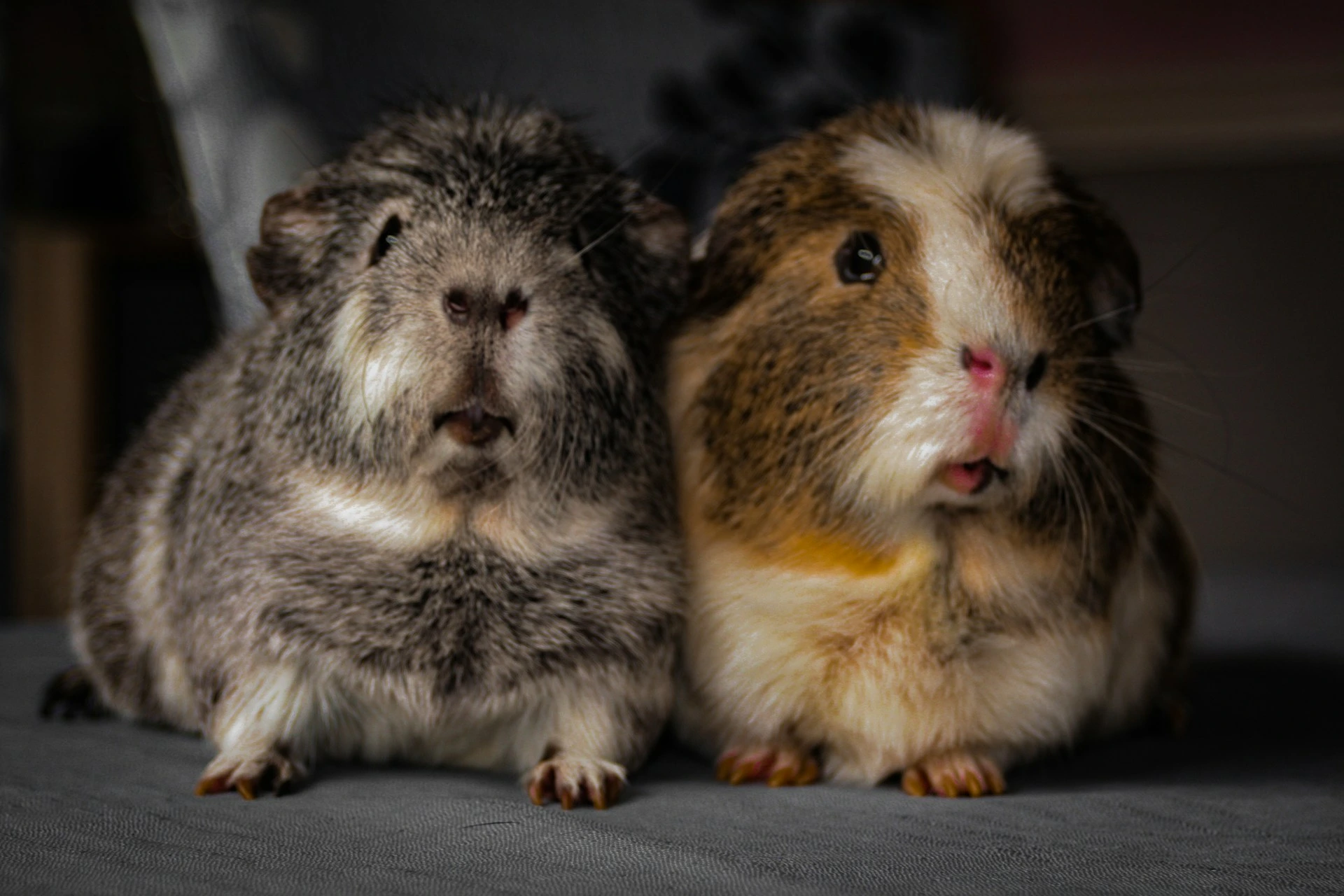


Guinea pigs are charming, social pets with big personalities packed into small bodies. They communicate through adorable squeaks, enjoy interacting with their families, and can become wonderful companions. However, Guinea pigs are also experts at hiding illness. At Clermont Animal Hospital, your Clermont County exotic and pocket pet veterinary clinic, one of the biggest challenges with Guinea pig health problems is that symptoms often remain subtle until a condition has become more advanced. By the time obvious signs appear, a Guinea pig may already need prompt medical attention.
Spotting the early signs of illness in your Guinea pig can make a world of difference for their health and happiness. Regular checkups, knowing the common health hiccups Guinea pigs face, and keeping up with wellness exams all help catch problems early, giving your furry friend the best shot at a long, healthy life. Whether you’re new to the world of Guinea pigs or you’ve been a proud cavy parent for years, keeping an eye out for those warning signs is one of the best things you can do for your little pal.
Guinea pigs are prey animals, which means in the wild, showing any sign of weakness is like putting up a neon sign for predators.
So, even when your Guinea pig is living the good life in a safe, loving home, that instinct to hide illness is still going strong.
Guinea pigs often hide illness because they are prey animals. By masking weakness, they instinctively reduce attention from potential predators. This means subtle behavior changes may be the first indication that something is wrong.
That’s why keeping a close eye on your little buddy is such an important part of daily Guinea pig care.
Even small changes in behavior, appetite, or activity level are worth a second look.
If your Guinea pig suddenly isn’t interested in food, that’s a big red flag.
Healthy Guinea pigs are basically tiny hay-eating machines. Their digestive systems need a steady supply of food to keep everything running smoothly.
If your Guinea pig stops eating, even for a short time, things can go downhill fast.
A Guinea pig that stops eating requires immediate veterinary attention. Reduced appetite can quickly lead to digestive problems and may indicate pain, illness, dental disease, or other medical concerns.
Watch for:
If you notice your Guinea pig’s eating habits changing, don’t wait. Give your vet a call right away.
Dental issues are among the most common health problems in Guinea pigs.
Unlike human teeth, Guinea pig teeth grow continuously throughout life. Proper chewing helps wear the teeth down naturally.
If their teeth get too long or don’t line up properly, eating can get tricky and uncomfortable for your Guinea pig.
Common signs include:
Dental problems often sneak up slowly, so regular check-ups can catch issues before they get serious.
Routine Guinea pig veterinary care plays an important role in monitoring dental health.
Respiratory disease is one of the most serious common diseases in guinea pigs.
Guinea pigs are particularly sensitive to respiratory infections, and symptoms can progress quickly.
Respiratory infections are common in Guinea pigs and can become serious without treatment. Sneezing, nasal discharge, noisy breathing, and lethargy should always prompt veterinary evaluation.
Warning signs include:
Getting your Guinea pig checked early can make a big difference and help prevent bigger problems down the road.
Guinea pigs can lose weight surprisingly quickly when something is wrong.
Unfortunately, their fluffy appearance often makes weight loss difficult to detect visually. Weighing your Guinea pig regularly is one of the best ways to keep an eye on their health. Health.
Unexpected weight loss is one of the most important signs of illness in Guinea pigs. Even small decreases in body weight may indicate an underlying health concern requiring veterinary evaluation.
Weekly weight checks can help identify changes before other symptoms become obvious. A digital kitchen scale works perfectly for weighing most Guinea pigs at home. home.
The digestive system plays a central role in Guinea pig health.
Changes in eating habits often affect digestion, which can lead to additional complications.
Potential warning signs include:
Always take digestive issues seriously with Guinea pigs.
Because Guinea pigs rely on constant gastrointestinal movement, disruptions can escalate rapidly without treatment.
Urinary issues are another category of Guinea pig health problems that should never be ignored.
Guinea pigs may develop urinary tract infections, bladder stones, or other urinary disorders.
Watch for:
Blood in the urine, straining, or changes in urination can indicate urinary tract disease or bladder stones. Prompt veterinary care helps identify the cause and support appropriate treatment.
Urinary problems can be quite painful for Guinea pigs, so don’t wait to get them checked out. Activity Level Matters.
Every Guinea pig has a unique personality.
Some Guinea pigs are social butterflies, while others are a bit more reserved. No matter their personality, if you notice a change in their activity level, it could be a sign that something’s wrong.
Warning signs may include:
If your Guinea pig suddenly seems withdrawn, they might not be feeling their best. Changes often provide some of the earliest clues that medical attention is needed.
Healthy Guinea pigs typically have clean, smooth coats and healthy skin.
Changes involving the skin or fur can indicate several underlying conditions.
Potential concerns include:
Hair loss, excessive scratching, or skin irritation may indicate parasites, fungal infections, allergies, or other medical conditions requiring veterinary evaluation.
Skin problems can get worse quickly, so catching them early is always best.
One health concern that makes Guinea pigs unique is their inability to produce vitamin C.
Like humans, Guinea pigs must obtain vitamin C from their diet.
Without adequate intake, deficiency can develop.
Potential symptoms include:
Nutritional deficiencies remain among the most common preventable diseases in veterinary medicine among guinea pigs.
Proper nutrition plays a major role in long-term health.
Many health problems are easier to manage when identified early.
Regular wellness exams give your vet a chance to check your Guinea pig’s health before any problems get serious.
During an examination, your veterinarian may assess:
Guinea pig wellness exams help identify health concerns early, monitor weight and dental health, evaluate nutrition, and establish a baseline for future medical care.
Preventive care helps your Guinea pig stay healthier and can lower the risk of serious illness down the road.
A lot of people think Guinea pigs only need to see the vet when they’re sick.
Preventive care is equally important.
Most Guinea pigs do best with regular wellness check-ups, even if they seem perfectly healthy.
These visits help your vet team spot any changes early and keep track of your Guinea pig’s health over time.
Regular vet visits are also a great time to chat about housing, nutrition, enrichment, and ways to keep your Guinea pig happy and healthy.
Cavy lovers’ site Guinea Piggles has a good article on Guinea Pig behavior. The Royal Society For The Prevention of Cruelty to Animals has an article on Guinea pig care here.
Some of the most common Guinea pig health problems include dental disease, respiratory infections, digestive disorders, urinary issues, nutritional deficiencies, and skin conditions.
Common signs of illness in Guinea pigs include reduced appetite, weight loss, lethargy, changes in droppings, breathing difficulties, hiding behavior, and decreased activity.
Most Guinea pigs benefit from routine Guinea pig wellness exams to monitor overall health, nutrition, weight, and dental condition.
A Guinea pig that stops eating requires prompt veterinary attention. Loss of appetite can indicate dental disease, pain, digestive issues, respiratory illness, or other medical concerns.
Yes. Guinea pigs naturally conceal signs of illness because they are prey animals. Subtle changes in behavior or appetite may be the first indication of a health problem.
Recognizing Guinea pig health problems early is one of the best ways to support your pet’s long-term health and happiness. By watching for signs of illness in Guinea pigs, prioritizing regular Guinea pig veterinary care, learning about common Guinea pig diseases, and scheduling routine Guinea pig wellness exams, you can help your furry little companion enjoy a healthier life.
Are you searching for a trusted vet near me in Clermont County who treats Guinea pigs and other pocket pets? Clermont Animal Hospital provides comprehensive exotic pet care, preventive services, wellness examinations, and personalized healthcare recommendations for Guinea pigs throughout every stage of life. Schedule an appointment today and give your small companion the expert care they deserve.
This blog is intended for informational purposes only. Always consult your veterinarian for personalized medical advice, diagnosis, treatment recommendations, and preventive care guidance for your pet.
If you would like to find out more about our Clermont County animal clinic, you may find that visiting our Service page is a great start. You’ll find more information on our premier pet clinic and the services we offer, which include Wellness & Vaccinations, Exotic Care, and more.