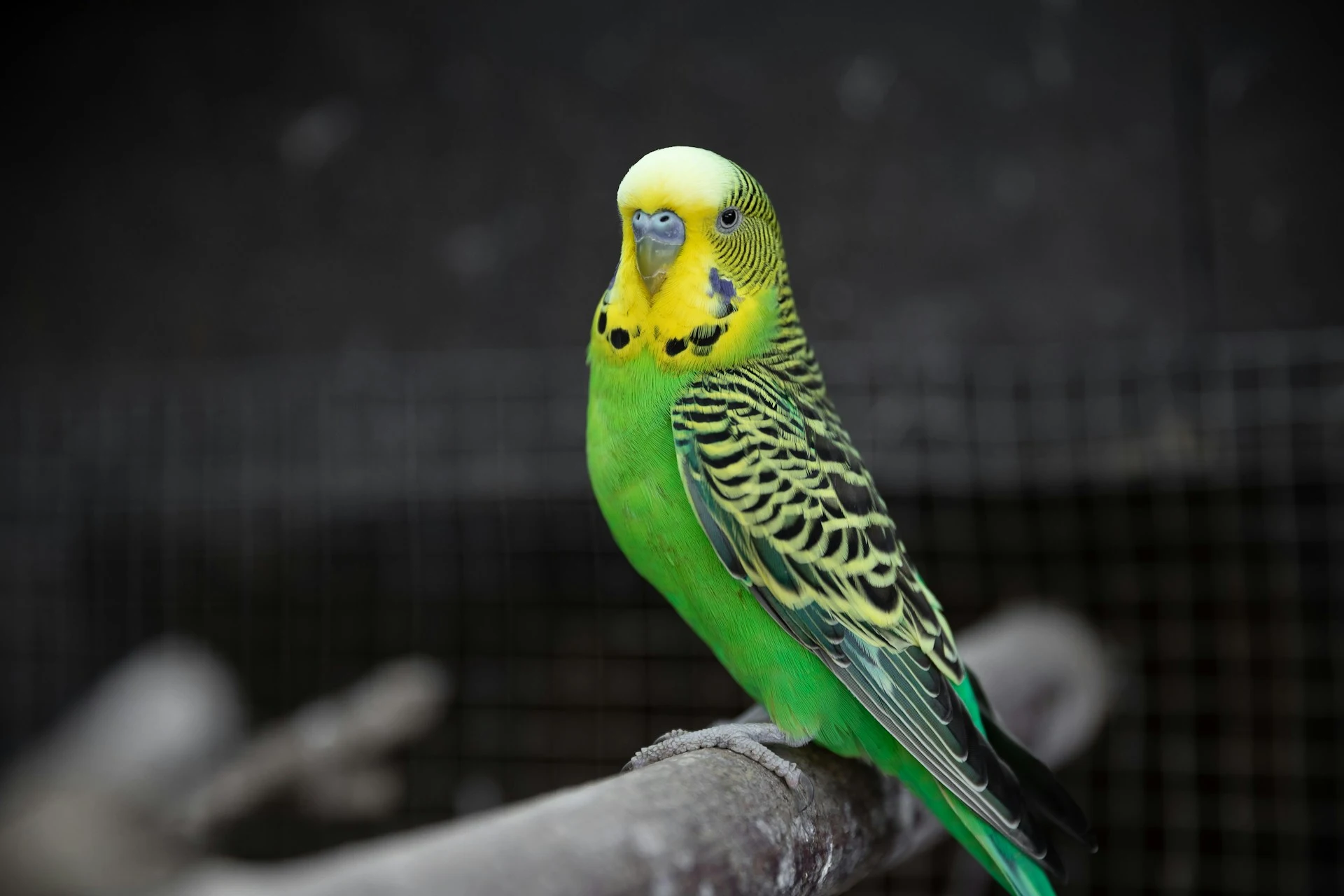


Bringing a bird into your home can be an exciting and rewarding experience. Whether you have welcomed a parakeet, cockatiel, conure, African grey, or another feathered friend into your family, birds offer companionship, intelligence, and unique personalities that make them wonderful pets. At Clermont Animal Hospital, serving Greater Cincinnati and the surrounding communities, helping families understand proper bird care is an important part of exotic pet medicine. Learning the right bird care tips early can help your winged companion thrive for years to come.
Caring for a bird isn’t quite the same as looking after a dog or cat. Our feathered pals have their own unique needs when it comes to food, environment, and health care, and it’s important to get things right from the start. In this guide, I’ll walk you through the basics of bird health, why regular checkups matter, and some practical tips to help you create a safe, happy, and stimulating home for your new winged buddy.
Birds are clever little creatures with big personalities and even bigger social needs. Some of them can pick up words, mimic sounds, solve puzzles, and become best buddies with their humans.
Birds are in it for the long haul! While some smaller species can stick around for over a decade, bigger parrots may be with you for much longer. That’s why it’s so important to get their care right from day one.
First-time bird parents are often amazed at just how observant their new pals can be. Your feathered friend will notice every little change in routine, environment, and even who’s coming and going. Keeping things consistent helps your bird feel safe and builds trust between you.
One of the first things to get right is setting up a comfy, safe home for your bird.
Think of your bird’s cage as both a cozy home and a safe retreat. Make sure it’s roomy enough for stretching, climbing, playing, and maybe even a little birdie yoga.
When selecting a location for the cage, consider:
Birds have highly sensitive respiratory systems. Airborne irritants that seem harmless to people can potentially affect your bird’s health.
Keep cages away from smoke, sprays, scented candles, strong cleaners, and kitchen fumes. Your bird’s lungs will thank you!
The goal is to give your feathered pal a safe spot where they can feel secure but still be part of the family action.
Nutrition Is the Foundation of Pet Bird Health Care
Good nutrition is the backbone of bird health.
Different birds have different tastes and needs, but most do best on a balanced diet rich in variety and healthy options.
Many birds enjoy:
Always keep fresh water on hand and change it often. No one likes a stale drink, not even birds!
One of the most common rookie mistakes is feeding only seeds. While birds might love them, seeds alone just don’t cut it for most species. They need more variety to stay healthy.
Since every bird is a little different, your vet can help you come up with the perfect menu for your feathered friend.
Birds are smart and endlessly curious. Sometimes a little too curious for their own good!
Without enough to do, birds can get bored fast. Keeping their minds busy is just as important as keeping their bellies full. It helps them stay happy and healthy inside and out.
Providing enrichment opportunities may include:
Lots of birds love learning new tricks and checking out new toys. Switching up their playthings now and then keeps things fresh and exciting.
Enrichment gives your bird a chance to act like, well, a bird! It encourages natural behaviors that keep them healthy.
Birds communicate through vocalizations, posture, feather position, and body language.
Getting to know what your bird is saying (even if it’s not in words) can really help you bond with your feathered pal.
A relaxed bird will look calm, chat away, and explore their surroundings with confidence. If your bird is hiding, plucking feathers, or acting out of character, it could be a sign they’re stressed.
Every bird has their own way of communicating, so take time to watch and learn what’s normal for your buddy. That way, you’ll spot any problems early.
Paying attention to your bird’s behavior is key, since they often let us know something’s wrong before they actually look sick.
Regular checkups are one of the best things you can do for your bird’s health.
Birds are experts at hiding when they’re not feeling well. In the wild, showing weakness can make them a target, so even sick birds often act pretty normal at first.
Regular examinations allow veterinarians to evaluate:
Wellness exams help us catch small changes before they become big problems.
Preventive care establishes a baseline for your bird’s health, allowing us to spot issues early.
Common Health Concerns in Pet Birds
Although many birds live long, healthy lives, certain conditions occur more frequently than others.
Potential concerns may include:
Since birds are so good at hiding illness, even small changes in behavior are worth checking out.
Warning signs can include:
If you notice anything off, a quick trip to the vet can help get to the bottom of things and keep your bird on track.
Most pet birds love a good chat and plenty of attention.
Birds are social butterflies (or should I say, social parakeets?) and often form strong bonds with their families. Spending time together every day keeps them happy and helps prevent boredom.
The amount of socialization required varies by species. Some birds enjoy extensive interaction, while others prefer a more independent lifestyle.
Birds love routine. Keeping things predictable helps your feathered friend feel safe and confident.
Positive interactions may include:
A strong bond with you is crucial for your bird’s health and happiness.
Most birds love a little supervised out-of-cage time to stretch their wings and explore.
It’s a great way for them to get exercise, explore, and have some fun.
Before you let your bird out, do a quick safety check of the room.
Potential hazards include:
Bird-proofing your home lets your feathered pal explore safely without getting into trouble.
Exercise keeps your bird’s muscles strong, heart healthy, and mind sharp.
Greater Cincinnati experiences seasonal weather changes that can affect pet birds.
In winter, indoor heating can dry out the air, which isn’t great for your bird’s feathers or comfort.
In summer, make sure your bird stays cool and out of too much direct sunlight.
Seasonal changes may also influence activity levels and environmental enrichment needs.
Keeping an eye on temperature and keeping things stable indoors helps your bird stay healthy all year long.
Sharing your life with a bird is a long-term adventure, but it’s full of rewards.
The more you get to know your bird’s quirks and preferences, the stronger your bond will be. Patience, routine, and good care go a long way toward building trust.
Every bird is unique. Some are chatty and outgoing, while others are a bit more shy. Respecting their personalities helps them feel safe and happy.
With the right food, plenty of enrichment, regular checkups, and lots of love, you’ll set your bird up for a long, happy life.
Bird lovers’ website Macaws & Amazon Parrots has an article about the importance of air quality for birds. The Royal Society For The Prevention of Cruelty to Animals has a good article on avian nutrition.
The best bird care tips include providing a species-appropriate diet, a properly sized enclosure, daily mental stimulation, routine veterinary care, and regular social interaction. Building healthy habits early helps support your feathered friend’s long-term well-being.
A good first-time bird owner guide covers nutrition, housing, enrichment, handling, socialization, and preventive healthcare. Understanding your bird’s species-specific needs is essential because different birds can have very different care requirements.
Routine bird wellness exams help monitor overall health and identify concerns before they become serious. Because birds often hide signs of illness, regular veterinary visits are an important part of preventive care.
Changes in appetite, activity level, vocalization, droppings, breathing, feather condition, or behavior can indicate potential health concerns. Prompt evaluation supports better pet bird health care and may help identify problems early.
Caring for companion birds involves providing balanced nutrition, environmental enrichment, social interaction, exercise opportunities, and routine veterinary care. A stimulating environment helps support both physical and emotional health throughout your bird’s life.
Whether you recently welcomed a bird into your family or are considering bird ownership for the first time, professional guidance can help you get started on the right path. Clermont Animal Hospital provides compassionate exotic pet care, bird wellness exams, and personalized recommendations for caring for companion birds throughout Greater Cincinnati.
Are you searching for a trusted vet near you who treats birds in Greater Cincinnati? The veterinary team at Clermont Animal Hospital is experienced in pet bird health care and can help support your feathered friend’s health through every stage of life. Schedule an appointment today and give your winged companion the foundation for a healthy, enriching future.
This blog is intended for informational purposes only. Always consult your veterinarian for individualized medical advice, diagnosis, treatment recommendations, and preventive care guidance for your bird.
If you would like to find out more about our Clermont County animal clinic, you may find that visiting our Service page is a great start. You’ll find more information on our premier pet clinic and the services we offer, which include Wellness & Vaccinations, Exotic Pet Care, and more.