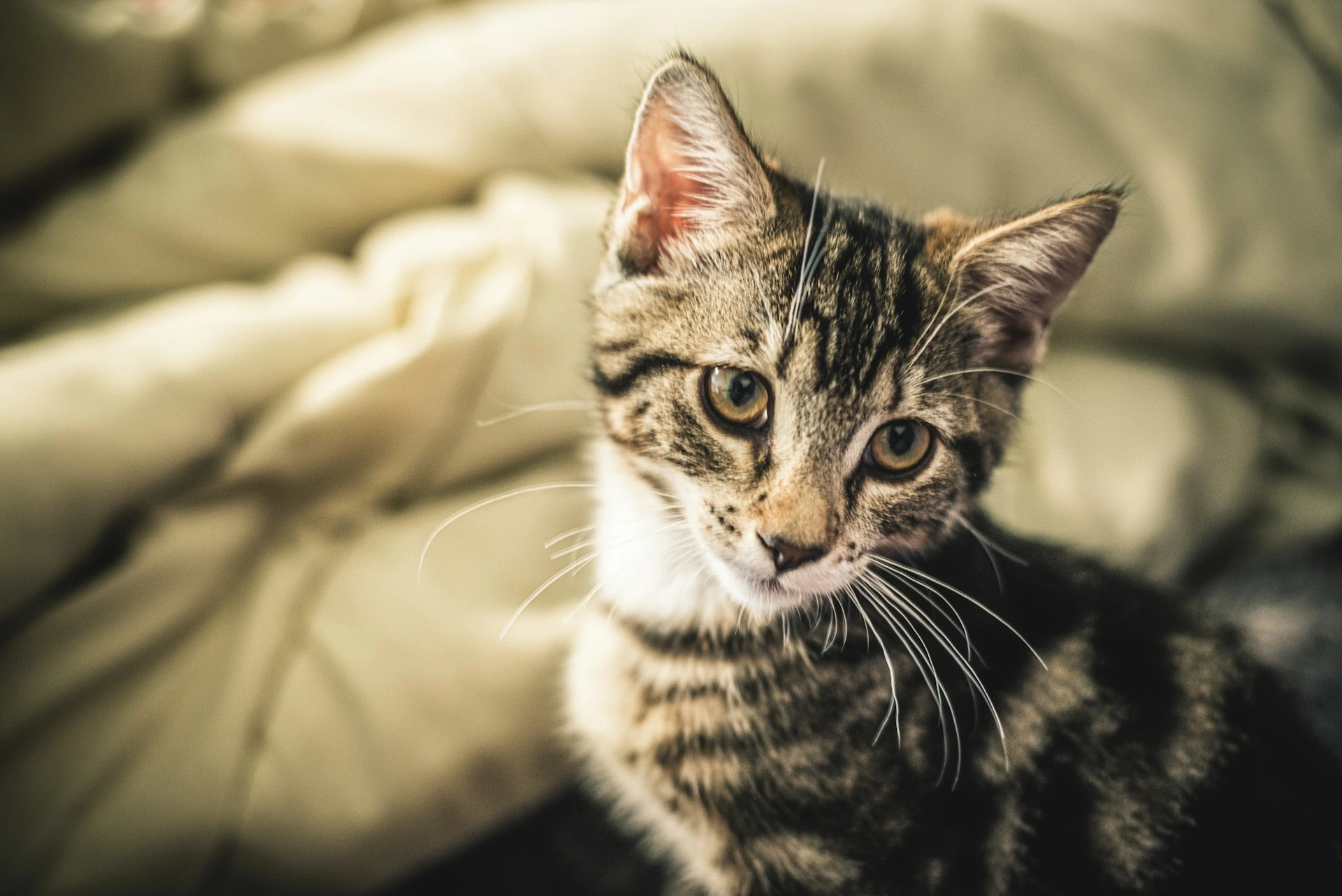


Does your furry little monarch spend her days sunbathing in the window, batting toys under the couch, and ruling her indoor kingdom? It’s easy to think that because our indoor kitties are safe from outdoor dangers, they don’t need much in the way of veterinary care. But here’s the scoop: even if your cat never sets a paw outside, regular checkups are still a must. At Clermont Animal Hospital, we get this question all the time, and the answer is always yes. Indoor cats need routine vet visits to stay happy and healthy.
A lot of health issues sneak up on our feline friends, and they’re masters at hiding when something’s wrong. That’s why regular wellness visits are so important. They let us catch little problems before they turn into big ones, and help your kitty stay healthy from kittenhood all the way through her golden years. Knowing why these checkups matter can help you make the best choices for your cat’s long-term health and happiness.
Most indoor cats do well with a yearly wellness exam. If you have a kitten, a senior, or a kitty with a medical condition, a few extra visits might be needed to keep everything on track.
Most healthy adult indoor cats should visit the veterinarian annually for a wellness examination. Kittens, senior cats, and cats with medical conditions often require more frequent evaluations to monitor health changes and provide appropriate preventive care.
These checkups give us a chance to look your cat over from whiskers to tail, chat about any concerns you have, and catch any sneaky problems before they get serious.
A common myth is that indoor cats are safe from most health problems just because they stay inside.
Staying indoors definitely helps, but it doesn’t make your kitty invincible.
Indoor cats can still develop:
A lot of these issues creep up quietly, and you might not notice anything is wrong until things have gotten pretty far along.
Regular vet visits help us spot those little changes that can be easy to miss at home.
Cats are absolute pros at hiding when they’re not feeling their best.
Out in the wild, showing weakness isn’t a great survival strategy, and even our pampered house cats haven’t forgotten that lesson.
A cat in pain might keep eating, napping, and acting like everything’s fine, all while quietly dealing with discomfort.
Changes may be subtle, such as:
Since these signs are so easy to miss, regular checkups are key for catching problems early.
Preventive care is all about catching small problems before they become big headaches for you and your cat. It helps detect diseases early, monitor ongoing health trends, provide vaccinations when needed, and support long-term wellness through every stage of your cat’s life.
Annual wellness visits often include:
These visits help us understand what’s normal for your cat so that we can spot any changes down the road.
Many cat parents are surprised to learn just how common dental disease is among our feline friends.
Even cats that eat well and appear healthy may develop:
Dental problems tend to sneak up on cats, too.
Your kitty might keep munching away even if her mouth is bothering her.
During wellness examinations, your veterinarian evaluates oral health and identifies concerns that may require further attention.
Keeping those pearly whites healthy helps your cat feel good and stay well overall.
Indoor cats don’t always get as much exercise as their outdoor cousins.
That means it’s pretty easy for a few extra pounds to sneak up on them.
Excess weight increases the risk of several health problems, including:
Regular weigh-ins help us keep an eye on your cat’s waistline and offer tips if she’s starting to pack on the pounds.
Even a little weight gain can make a big difference for your cat’s health over time.
Some folks think indoor cats can skip their shots, but that’s not always the case.
Even indoor kitties can encounter germs in surprising ways.
Examples include:
Vaccination recommendations vary based on your cat’s lifestyle, age, and risk factors.
Your vet can help you figure out which vaccines and preventive steps make the most sense for your cat’s unique lifestyle.
Parasites are another sneaky problem that can catch indoor cat parents off guard.
Fleas, intestinal parasites, and other unwanted guests can sometimes enter the home through:
Wellness visits are a great time to chat about the best ways to keep your cat parasite-free, based on her lifestyle.
Keeping your kitty protected means she’ll be happier and healthier all around.
Behavior often provides valuable clues about a cat’s health.
Changes that may warrant discussion include:
Sudden changes in behavior may indicate medical conditions, discomfort, stress, or age-related health concerns. Veterinary evaluations can help identify potential underlying causes before problems worsen.
Cats talk to us through their behavior, so don’t ignore any changes, even if they seem small.
Sometimes, what looks like a tiny change is actually your cat’s way of waving a little red flag.
As our cats get older, their health needs can shift quite a bit.
Senior cats commonly experience conditions such as:
A lot of these issues sneak up slowly and can be tough to spot without a vet’s help.
Bringing your senior kitty in a bit more often helps us catch things early and keep her feeling her best.
Maintaining comfort and quality of life becomes an important focus during the senior years.
Ever wonder what really happens during a routine vet visit?
A wellness exam is basically a nose-to-tail checkup to see how your cat is doing. ay assess:
We’ll also ask about what your cat eats, how much she plays, and what her daily routine looks like, so we get the full picture.
It’s the perfect time for you to bring up anything odd you’ve noticed at home, too.
. Some cats get a little anxious when it’s time to leave their cozy kingdom.
The good news is, there are lots of tricks to make vet visits less stressful for everyone.
Helpful tips include:
Making vet visits a positive experience now can make things much smoother down the road.
Your veterinary team can also offer additional suggestions based on your cat’s individual personality.
Ohio State University has a downloadable form about indoor cat care you may find helpful. Humane World For Animals also has an article on keeping a cat happy indoors.
Yes. Annual examinations help identify health problems early, monitor weight, assess dental health, and support preventive care. Many medical conditions develop gradually and may not show obvious symptoms at home.
Yes. Indoor cats can develop dental disease, kidney disease, diabetes, arthritis, thyroid disorders, heart disease, and other medical conditions regardless of whether they go outdoors.
Many senior cats benefit from wellness visits every six months. More frequent monitoring helps identify age-related health concerns earlier and allows treatment plans to be adjusted as needed.
Most indoor cats still benefit from certain vaccinations. Recommendations vary based on age, lifestyle, travel history, and individual risk factors.
Routine wellness visits help detect health problems before they become advanced. Early diagnosis often provides more options for managing medical conditions and supporting long-term health.
Your feline companion may spend every day indoors, but regular veterinary care remains one of the most valuable investments you can make in their health. Routine wellness visits help identify problems early, support preventive care, and keep your cat comfortable throughout every stage of life.
Are you searching for a trusted vet near me in Clermont County? Clermont Animal Hospital provides comprehensive wellness care, preventive services, and personalized recommendations designed to support lifelong feline health. Schedule an appointment with our veterinary clinic today and give your indoor cat the proactive care they deserve.
This blog is intended for informational purposes only. Always consult your veterinarian for individualized medical advice, diagnosis, preventive care recommendations, and treatment options for your pet.
If you would like to find out more about our Clermont County animal clinic, you may find that visiting our Service page is a great start. You’ll find more information on our premier pet clinic and the services we offer, which include Wellness & Vaccinations, Behavioral Counseling, and more.