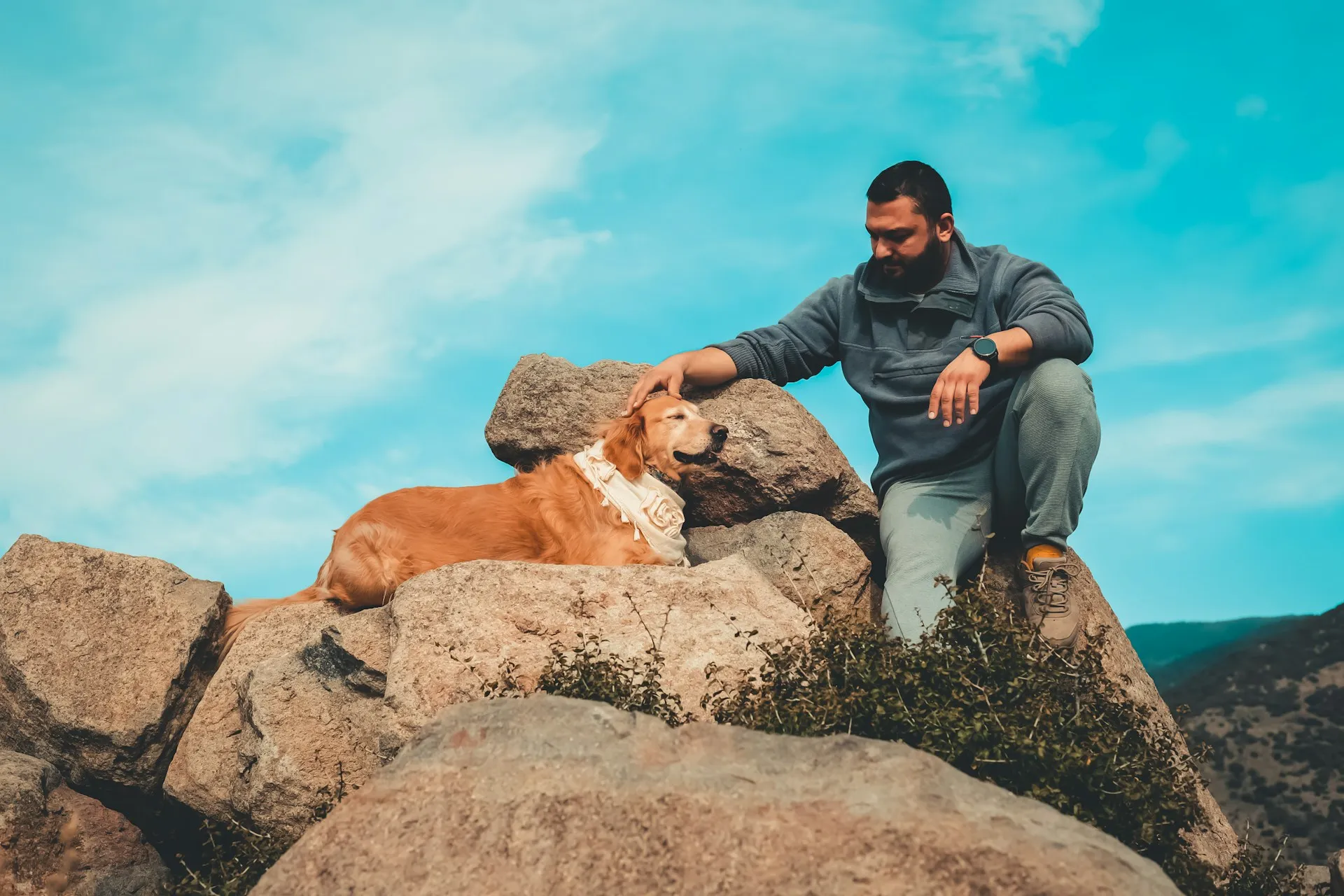


Nothing beats spending time outdoors with your furry friend. Whether you’re hiking local trails, visiting parks, exploring nature preserves, or simply enjoying a walk through the neighborhood, outdoor activities provide excellent physical exercise and mental enrichment for pets. At Clermont Animal Hospital, serving Greater Cincinnati, helping families prioritize outdoor pet safety is an important part of preventive veterinary care. While outdoor adventures can be fun and rewarding, they also introduce risks that pet owners should understand before heading out.
From wooded hiking paths and waterfront areas to busy public spaces and changing seasonal conditions, pets can encounter a variety of challenges outdoors. Understanding outdoor hazards for pets, practicing hiking safety for dogs, focusing on pet safety during outdoor activities, and learning strategies for preventing injuries in active pets can help keep your companion healthy and safe while enjoying everything Greater Cincinnati has to offer.
Getting outside gives pets a chance to stretch their legs, make new friends, and sniff out new adventures. Of course, the great outdoors also comes with a few things you won’t find in your living room, some of which can be a bit risky for our furry pals.
Outdoor pet safety involves preparing for environmental risks, monitoring your pet during activities, and taking preventive measures to reduce the likelihood of injury, illness, or emergencies.
The goal isn’t to keep your pet stuck indoors; it’s to make sure your outdoor adventures are safe and fun for you both.
Before you and your pet dive into more outdoor fun, it’s a good idea to make sure they’re in tip-top shape.
This is especially important for:
A veterinary examination helps assess whether your pet is physically prepared for increased activity and supports better outdoor safety planning.
Regular checkups can catch little health hiccups before they slow your pet down or put a damper on your outdoor plans.
Your vet can also chat with you about the best ways to keep your pet feeling their best, based on their unique personality and lifestyle.
Greater Cincinnati offers numerous parks, trails, and outdoor destinations that are popular with dog owners.
Hiking is a great way for you and your pup to get moving, but a bit of planning can make all the difference.
Effective hiking safety for dogs includes choosing appropriate trails, carrying water, monitoring weather conditions, and matching your dog’s activity level to their physical abilities.
Before heading out, consider:
Not every dog is ready for a marathon hike, especially if they’ve been more of a couch potato lately.
Take things slow and let your dog build up their stamina over time. That way, you’ll help prevent injuries and keep those tails wagging.
Hydration is one of the most overlooked aspects of pet safety during outdoor activities.
Active pets lose a lot of water when they’re out and about, especially on warm days when all that panting really adds up.
Providing access to fresh water is one of the most important components of outdoor pet safety because dehydration can develop quickly during exercise and hot weather.
Watch for signs such as:
Take lots of water breaks. Your pet will thank you with happy tail wags and maybe even a few sloppy kisses.
The great outdoors is packed with fun, but it can also hide a few surprises that might spell trouble for our furry pals.
Knowing what to watch for helps you make smart choices and keep your furry friend safe and sound.
Common outdoor hazards for pets include parasites, wildlife encounters, toxic plants, sharp objects, contaminated water, and extreme temperatures.
A little awareness goes a long way toward keeping your pet out of trouble.
Most outdoor mishaps can be avoided with a watchful eye and a little planning ahead.
Pesky parasites are a big concern here in Ohio, and they love hanging out in the same outdoor spots as our pets.
Many of our favorite parks and trails are also favorite hangouts for fleas, ticks, and other little critters.
Parasite prevention is an important aspect of outdoor pet safety because outdoor exposure increases the risk of ticks, fleas, mosquitoes, and other disease-carrying pests.
Ticks are especially common in:
After your outdoor adventures, give your pet a good once-over to check for any unwanted hitchhikers.
Staying on top of regular parasite prevention is one of the best ways to protect your pet from these tiny troublemakers.
Some plants may look innocent, but they can actually be risky for our curious pets.
Wild mushrooms are another sneaky hazard, especially after a good rain.
Some plants and mushrooms can be toxic to pets. Preventing access to unknown vegetation helps improve pet safety during outdoor activities.
Let’s face it. Pets love to sniff and taste-test anything new they find outside.
Keeping a close eye on your pet is the best way to stop them from sampling something they shouldn’t.
If you suspect your pet has consumed a potentially toxic substance, contact your veterinarian immediately.
Hot days can quickly lead to overheating for our furry friends.
Dogs are especially at risk because their primary means of cooling off is panting.
Preventing heat-related illness is a major component of outdoor pet safety during warmer months.
Warning signs may include:
Be sure to adjust your outdoor plans based on the weather. Sometimes a little shade or a shorter walk is the best choice.
Try to get your walks in during the cooler parts of the day, like early morning or evening, when the sun isn’t blazing.
Active pets can easily end up with sore or injured paws.
Hot pavement, rocky trails, and even stray bits of glass or debris can be tough on those sensitive paw pads.
Regular paw inspections help prevent injuries in active pets by identifying cuts, abrasions, burns, and other problems before they worsen.
After your adventures, take a moment to check your pet’s paws for:
Catching small problems early can keep them from becoming bigger issues down the road.
Greater Cincinnati is home to a wide variety of wildlife species.
Most wild animals would rather steer clear of people and pets, but sometimes you’ll still cross paths.
Wildlife encounters are among the most significant outdoor hazards for pets because they can lead to injuries, disease exposure, or defensive attacks.
Potential wildlife encounters may involve:
Keeping your pet on a leash and under close watch is the best way to keep everyone safe.
Even the best-trained dogs can get distracted when they’re outside.
All those new smells, wild critters, and unfamiliar faces can grab your dog’s attention in a hurry.
Leashes support pet safety during outdoor activities by helping prevent traffic accidents, wildlife encounters, and lost pets.
Leash use is particularly important in unfamiliar areas.
A sturdy leash gives you better control if something unexpected pops up.
Getting active is great for your pet’s health, but overdoing it can sometimes lead to injuries.
Preventing injuries in active pets involves gradual conditioning, proper supervision, adequate hydration, and selecting activities appropriate to your pet’s age and fitness level.
Common outdoor injuries include:
It’s best to ramp up activity slowly instead of all at once.
Letting your pet build up their fitness helps reduce the risk of overuse injuries.
Lots of dogs love a good swim, but water brings its own set of challenges.
Water safety is an important aspect of outdoor pet safety because lakes, rivers, ponds, and pools can present risks including fatigue, strong currents, and contaminated water.
Always supervise pets around water.
Not every dog is a natural swimmer.
Taking lots of breaks helps prevent your pet from getting too tired.
Some pets get so excited outside that they’ll keep going even when they’re tuckered out.
It’s important to watch for signs your pet needs a break.
Recognizing fatigue helps with preventing injuries in active pets and reduces the risk of heat-related illness and overexertion.
Warning signs include:
Regular rest breaks help keep your adventures safe and fun for everyone.
Outdoor risks vary throughout the year.
Spring often means more parasites are out and about.
Summer brings the risk of heat and sun.
Fall can mean more wildlife activity and changing scenery.
Winter brings ice, snow, and chilly temperatures.
Seasonal awareness improves outdoor pet safety by helping owners anticipate environmental risks before they affect their pets.
Switching up your activities with the seasons helps keep your pet comfortable and happy all year round.
The ASPCA wrote about summer safety for dogs. Medvet has some helpful info on pet water safety on their website.
Common outdoor hazards for pets include ticks, fleas, toxic plants, wildlife encounters, contaminated water, sharp objects, and extreme weather conditions.
Hiking safety for dogs includes carrying water, monitoring weather conditions, choosing appropriate trails, using leashes, and watching for signs of fatigue.
Pet safety during outdoor activities involves supervision, hydration, parasite prevention, weather awareness, and selecting activities appropriate for your pet’s physical condition.
Preventing injuries in active pets includes gradual conditioning, maintaining healthy body weight, monitoring activity levels, and providing adequate rest and hydration.
Yes. Routine wellness visits help evaluate overall health and identify concerns that could affect outdoor activity and exercise tolerance.
Practicing good outdoor pet safety helps your furry friend enjoy outdoor activities while minimizing unnecessary risks. Whether you’re focused on hiking safety for dogs, identifying outdoor hazards for pets, improving pet safety during outdoor activities, or preventing injuries in active pets, preparation and preventive care make all the difference.
Are you searching for a trusted vet near me in Greater Cincinnati? Clermont Animal Hospital provides wellness care, parasite prevention, health screenings, and personalized recommendations designed to support active pets. Schedule an appointment today and let our veterinary team help your companion stay healthy and safe on every adventure.
This blog is intended for informational purposes only. Always consult your veterinarian for personalized medical advice, diagnosis, treatment recommendations, and preventive healthcare guidance for your pet.
If you would like to learn more about our Clermont County animal clinic, visiting our Service page is a great start. You’ll find more information about our premier pet clinic and the services we offer, including Wellness & Vaccinations, Allergies & Dermatology, Emergency Care, and more.