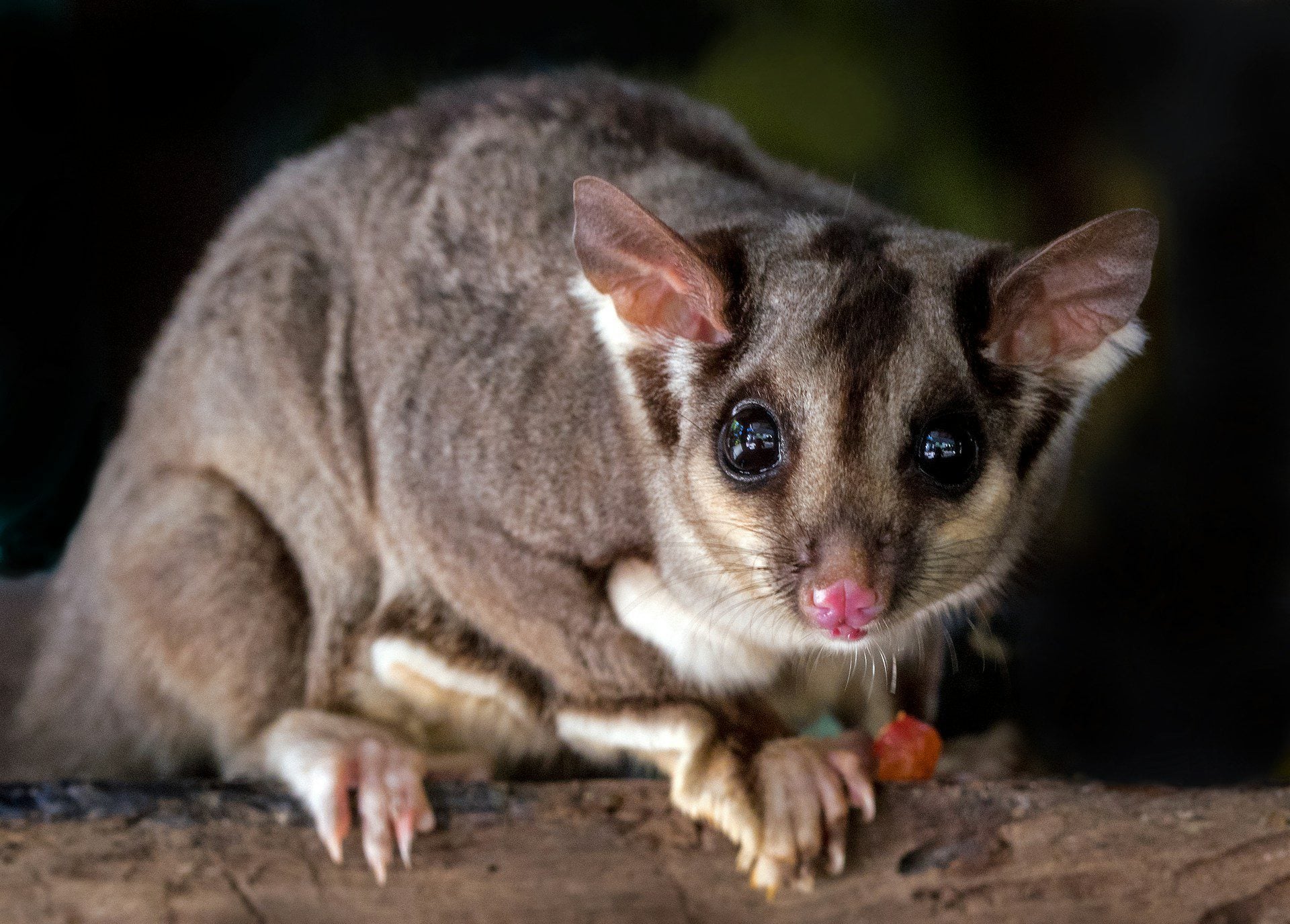


Sugar gliders are fascinating little companions known for their large eyes, playful personalities, and remarkable ability to glide through the air. Their intelligence, social nature, and unique behaviors have made them increasingly popular among exotic pet enthusiasts. However, sugar gliders have specialized needs that differ significantly from those of dogs, cats, rabbits, and other small pets. At Clermont Animal Hospital, your Clermont County exotic pet veterinary clinic, many health concerns seen in sugar gliders stem from preventable husbandry and management issues. Understanding proper sugar glider care is one of the best ways to help these unique pets live healthy, enriching lives.
Sugar gliders are masters at hiding when they’re not feeling their best. Sometimes you’d think they’re auditioning for a role as a tiny, furry poker player. That means small mistakes in their care can go unnoticed until your glider starts showing signs of trouble. The good news? By brushing up on sugar glider health, steering clear of common pitfalls, feeding them the right diet, and teaming up with an experienced exotic pet vet, you’ll be setting your little friend up for a long, happy, and healthy life.
Sugar gliders are small marsupials native to Australia, Indonesia, and New Guinea. Unlike rodents, they carry and raise their young in a pouch and have highly specialized social, dietary, and environmental needs.
These animals are naturally active, intelligent, and social. In the wild, they live in groups and spend much of their time climbing, gliding, foraging, and interacting with colony members.
Proper sugar glider care requires attention to social interaction, nutrition, enrichment, housing, and preventive veterinary care. Their needs differ significantly from those of many traditional household pets.
Understanding these differences helps prevent many common health and behavioral issues.
One of the biggest sugar glider slip-ups is keeping just one glider all by themselves.
Sugar gliders are highly social animals. In their natural environment, they rely on group interactions for security, communication, grooming, and emotional well-being.
Sugar gliders are social animals that generally thrive with companionship. Social isolation may contribute to stress, behavioral problems, and reduced overall well-being.
A solitary sugar glider may show signs such as:
Making sure your sugar glider has a buddy (or two) is a huge part of keeping them happy and healthy.
Nutrition is one of the most important aspects of sugar glider health care.
Unfortunately, diet mix-ups are among the most common issues we see in pet sugar gliders.
Improper nutrition can contribute to obesity, nutritional deficiencies, metabolic disorders, and other health concerns. Understanding sugar glider diet requirements is essential for long-term health.
Sugar gliders require carefully balanced nutrition that supports:
If their diet gets out of whack, sugar gliders can end up with some pretty serious health problems down the road.
Because nutritional needs can be complex, discussing feeding plans with an exotic pet veterinarian for sugar gliders is highly recommended.
Sugar gliders are intelligent and active animals.
Without enough fun and games, sugar gliders can get bored faster than you can say ‘wheels and ropes.’
Mental enrichment supports healthy behavior by encouraging exploration, physical activity, and instinctual behavior. A lack of stimulation can contribute to stress and behavioral concerns.
Examples of enrichment include:
A fun, enriched environment keeps your sugar glider’s body and mind in tip-top shape.
Letting your sugar glider climb, explore, and play as they would in the wild is a big part of keeping them happy.
Sugar gliders spend much of their lives climbing, jumping, and gliding.
If their cage is too small, your sugar glider can end up feeling cramped and stressed, which isn’t good for their body or their mood.
Sugar gliders require spacious housing that provides space for climbing, movement, and environmental enrichment. Restricted environments may contribute to inactivity and stress.
An appropriate habitat should provide:
Since your sugar glider’s cage is basically their whole world, setting it up right is extra important.
One challenge with sugar glider health care is that these pets often hide signs of illness.
Since they’re prey animals, even small changes in how they act can be the first clue that something’s up.
Changes in appetite, activity level, social behavior, grooming habits, or vocalization can sometimes indicate illness and should not be ignored.
Potential warning signs include:
If you notice anything off, a quick trip to the vet can catch problems before they become bigger.
A lot of folks only bring their sugar glider to the vet when something seems wrong.
Unfortunately, waiting until your glider looks sick can mean missing the early signs and delaying treatment.
Routine wellness care is an important part of preventive medicine.
Regular wellness examinations help identify developing health concerns early and provide opportunities to discuss nutrition, behavior, housing, and preventive healthcare.
An exotic pet veterinarian for sugar gliders can monitor:
A little preventive care now can make a big difference for your sugar glider’s future health.
Keeping an eye on your sugar glider’s weight can tell you a lot about how they’re doing health-wise.
Because sugar gliders are so tiny, it’s easy to miss small changes just by looking at them.
Unexpected weight gain or weight loss may indicate underlying health concerns. Regular weight monitoring is an important component of sugar glider health care.
A small digital scale is a handy tool for keeping tabs on your glider’s weight over time.
Even tiny changes can be early hints that something’s not quite right.
Regular check-ins can help you spot issues before your sugar glider starts showing obvious symptoms.
Sugar gliders are creatures of habit and usually do best when things are nice and predictable.
Big changes in their cage, schedule, or how you handle them can stress your sugar glider out.
Consistent routines help support emotional well-being by reducing uncertainty and promoting a sense of security.
Helpful practices include:
A steady routine can go a long way toward keeping your sugar glider happy and well-behaved.
Just because sugar gliders are small doesn’t mean they’re low-maintenance pets.
In fact, these little guys have some pretty complex social, dietary, and environmental needs.
Successful sugar glider care requires a significant commitment to nutrition, enrichment, social interaction, housing, and preventive veterinary care.
If you’re thinking about adding a sugar glider to your family, make sure to do your homework first.
Knowing what’s involved in their long-term care is a big part of being a responsible sugar glider parent.
Several medical conditions may affect sugar gliders throughout their lives.
Potential concerns include:
Many of these concerns are influenced by husbandry practices.
Avoiding the most common sugar glider mistakes can significantly reduce preventable health problems.
Proper nutrition, enrichment, social interaction, and routine veterinary care help support healthy outcomes and reduce the likelihood of many preventable conditions.
Not every vet is familiar with sugar gliders and their unique needs.
Because these animals have specialized medical and husbandry requirements, working with an exotic pet veterinarian for sugar gliders is especially valuable.
An exotic pet veterinarian for sugar gliders has experience with the species-specific health concerns, nutritional requirements, and preventive care needs of these unique pets.
Getting your sugar glider set up with a vet before there’s an emergency means you can stay ahead of any health issues.
Wellness visits are a great time to ask all your questions about sugar glider behavior, housing, and diet.
Learn more about when to take your sugar glider to the vet on PetMD. The Pet Glider has a good list of safe and unsafe foods for sugar gliders.
Some of the most common sugar glider mistakes include improper nutrition, inadequate housing, lack of enrichment, social isolation, and skipping preventive veterinary care.
Proper sugar glider diet requirements support bone health, organ function, growth, energy levels, and overall well-being. Nutritional imbalances can contribute to serious health concerns.
Yes. Routine wellness visits are an important part of sugar glider health care and help identify emerging health concerns before they progress.
Sugar gliders are highly social animals. Social interaction is an important part of their emotional well-being and overall quality of life.
Any changes in appetite, weight, activity level, behavior, grooming habits, or social interaction should be discussed with a veterinarian.
Providing excellent sugar glider care begins with understanding the unique needs of these remarkable pets. By focusing on proper sugar glider health care, avoiding common sugar glider mistakes, meeting appropriate sugar glider diet requirements, and partnering with an exotic pet veterinarian for sugar gliders, you can help your companion enjoy a healthier and more enriching life.
Are you searching for a trusted vet near me in Clermont County who treats sugar gliders and other exotic pets? Clermont Animal Hospital provides comprehensive exotic pet care, wellness examinations, preventive healthcare services, and personalized recommendations for a wide range of companion animals. Schedule an appointment today and let our veterinary team help your sugar glider thrive.
This blog is intended for informational purposes only. Always consult your veterinarian for personalized medical advice, diagnosis, treatment recommendations, and preventive care guidance for your pet.
If you would like to learn more about our Clermont County animal clinic, visiting our Service page is a great start. You’ll find more information about our premier pet clinic and the services we offer, including Wellness & Vaccinations, Exotic Care, and more.